Annual Boat Maintenance Checklist: What to Inspect Every Season

Salem Hassan founded Travelcamp RV and brings 30+ years of hands-on RV, marine, and powersports retail experience to every review.
✎ Reviewed by Salem Hassan — Founder, Travelcamp RV · 30+ years in RV, marine, and powersports retail
Why trust us
TopBoatGear articles are researched by the Searchshop Editorial team using manufacturer specs, marine industry sources, and feedback from hands-on boaters. Our standard is saltwater first — if a product is not rated or proven for marine environments, we say so. We may earn a commission on qualifying purchases; it does not change what we recommend. If a product fails in saltwater, the article changes.
Annual Boat Maintenance Checklist: What to Inspect Every Season
A reliable annual boat maintenance checklist helps us catch small issues before they become expensive repairs or on-the-water breakdowns. Whether we run a fishing boat, pontoon, center console, or family bowrider, seasonal inspection is one of the best ways to protect performance, safety, and resale value. In this guide, we researched the most important systems to inspect every season, the tools that make the job easier, and the step-by-step process we recommend for a thorough yearly review.
Key Takeaways
- Inspect the hull, propeller, fuel system, battery, bilge, and steering every season.
- Replace worn safety gear, expired flares, and damaged lines before launch day.
- Use marine-specific cleaners, corrosion protection, and battery maintenance tools.
- Follow a consistent checklist to reduce breakdowns, improve safety, and extend boat life.
Buyers Guide: Useful Products for Annual Boat Maintenance

The right maintenance gear makes seasonal work faster and more consistent. Below are the types of products we researched and commonly recommend for annual upkeep.
Comparison Table
| Product Type | Best For | Key Features | Pros | Cons |
|---|---|---|---|---|
| Marine Battery Charger/Maintainer | Keeping batteries charged in storage | Smart charging, maintenance mode, reverse polarity protection | Extends battery life, easy to use, reduces dead-battery surprises | Requires power access, cheaper models may charge slowly |
| Water-Separating Fuel Filter Kit | Protecting engine from water-contaminated fuel | Spin-on filter, marine housing, easy replacement | Helps prevent fuel issues, important for ethanol-blended fuel environments | Needs periodic replacement, installation space required |
| Corrosion Inhibitor Spray | Protecting terminals and metal fittings | Moisture resistance, anti-corrosion film, easy spray application | Useful for saltwater boats, quick seasonal treatment | Must be reapplied, overspray can attract grime |
| Marine Wash and Wax | Hull and topside cleaning | UV protection, salt removal, gloss enhancement | Improves appearance and protects finish | Cosmetic only, not a substitute for repairs |
| Bearing Grease/Hub Service Kit | Trailer maintenance | Marine grease, seals, grease gun compatibility | Helps prevent trailer bearing failure | Messy to apply, requires proper technique |
1. Marine Battery Charger/Maintainer
A smart charger is one of the most useful tools in any maintenance setup, especially for boats that sit for weeks or months.
Pros:
- Helps prevent battery sulfation
- Maintains charge during off-season storage
- Safer than old-style trickle chargers
Cons:
- Premium models cost more
- Not all units support every battery chemistry
2. Water-Separating Fuel Filter Kit
Fuel contamination is a common cause of poor performance and hard starting. A quality filter setup is a practical upgrade for many boats.
Pros:
- Removes water before it reaches the engine
- Simple seasonal replacement
- Supports more reliable fuel delivery
Cons:
- Filter elements add recurring cost
- Improper installation can cause leaks
3. Corrosion Inhibitor Spray
For boats exposed to salt air or damp storage conditions, corrosion prevention should be routine.
Pros:
- Fast to apply on terminals and fittings
- Helps reduce oxidation and seized hardware
- Useful on trailers and electrical connections
Cons:
- Needs periodic reapplication
- Should not be sprayed carelessly on belts or friction surfaces
4. Marine Wash and Wax
A dedicated marine cleaner protects gelcoat better than many household products.
Pros:
- Helps preserve finish and resale appearance
- Removes salt and grime safely
- Adds UV protection
Cons:
- Requires labor and repeat use
- Won’t fix oxidation or structural damage by itself
5. Bearing Grease or Hub Service Kit
Trailer bearing service is easy to postpone and expensive to ignore.
Pros:
- Supports safer towing
- Helps prevent heat damage and roadside failures
- Essential for frequent trailering
Cons:
- Can be messy
- Some owners prefer professional service
Why Annual Boat Maintenance Matters
Boats operate in one of the harshest environments possible: sun, salt, vibration, moisture, and long periods of storage. Even if a boat ran perfectly last season, corrosion, UV damage, stale fuel, weak batteries, and cracked hoses can develop quietly over time.
We recommend treating annual maintenance as a full-system inspection rather than a quick spring cleanup. A careful review helps us:
- Reduce the chance of engine trouble
- Spot leaks, corrosion, and wear early
- Keep electrical and safety systems dependable
- Maintain fuel efficiency and performance
- Protect long-term value
Annual Boat Maintenance Checklist by System

1. Hull and Exterior
Start with the structure that keeps everything afloat.
Inspect:
- Hull for cracks, blisters, gouges, or dock rash
- Keel and chines for impact damage
- Through-hull fittings for corrosion or looseness
- Rub rail for separation or missing fasteners
- Deck hardware and cleats for movement or sealant failure
- Windshield seals and hatch gaskets for leaks
What to do:
- Wash and inspect in bright light
- Repair chips and gelcoat damage promptly
- Re-bed leaking hardware with marine sealant
- Apply wax or UV protectant to preserve finish
2. Propeller and Running Gear
A damaged prop can cause vibration, poor fuel economy, and drivetrain wear.
Inspect:
- Prop blades for bends, nicks, or cracks
- Prop shaft for fishing line around the hub
- Cotter pin, hardware, and prop nut security
- Skeg for chips or impact damage
What to do:
- Remove line immediately to protect seals
- Replace damaged hardware
- Repair or replace a bent propeller
3. Engine and Fuel System
This is the most important part of the seasonal inspection.
Inspect:
- Engine oil and lower unit gear lube condition
- Fuel lines for cracks, stiffness, or ethanol damage
- Primer bulb for softness or leaks
- Fuel filter and water-separating filter
- Cooling water intake for blockage
- Belts, clamps, and hoses for wear
- Spark plugs for fouling or corrosion
What to do:
- Change oil, filters, and gear lube according to manufacturer intervals
- Replace aging fuel hoses with marine-rated hose
- Drain contaminated fuel if needed
- Check for fuel odors in the bilge before startup
4. Battery and Electrical System
Electrical issues are among the most common boating headaches.
Inspect:
- Battery charge level and age
- Terminals for corrosion
- Wiring for chafe, loose connections, or brittle insulation
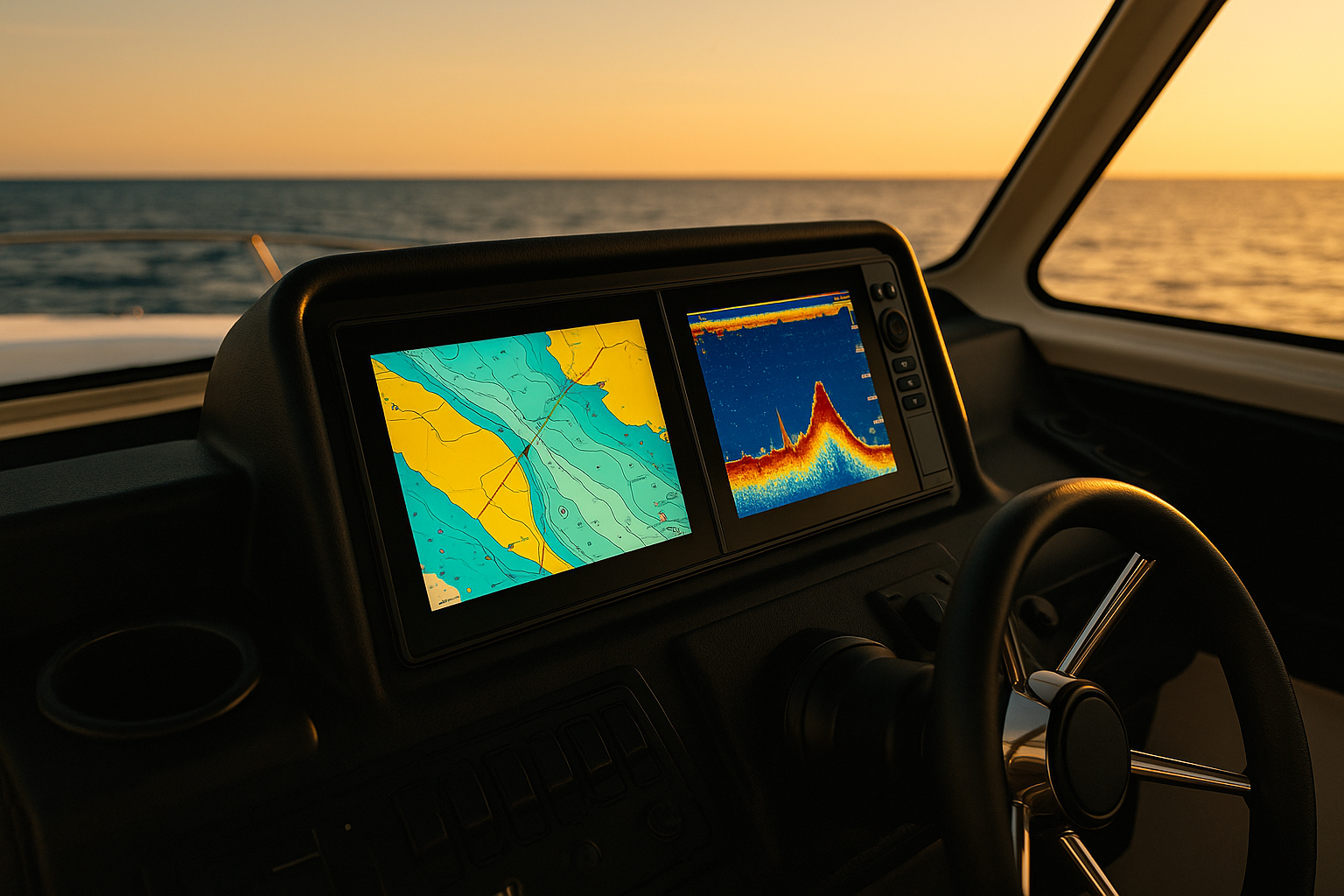
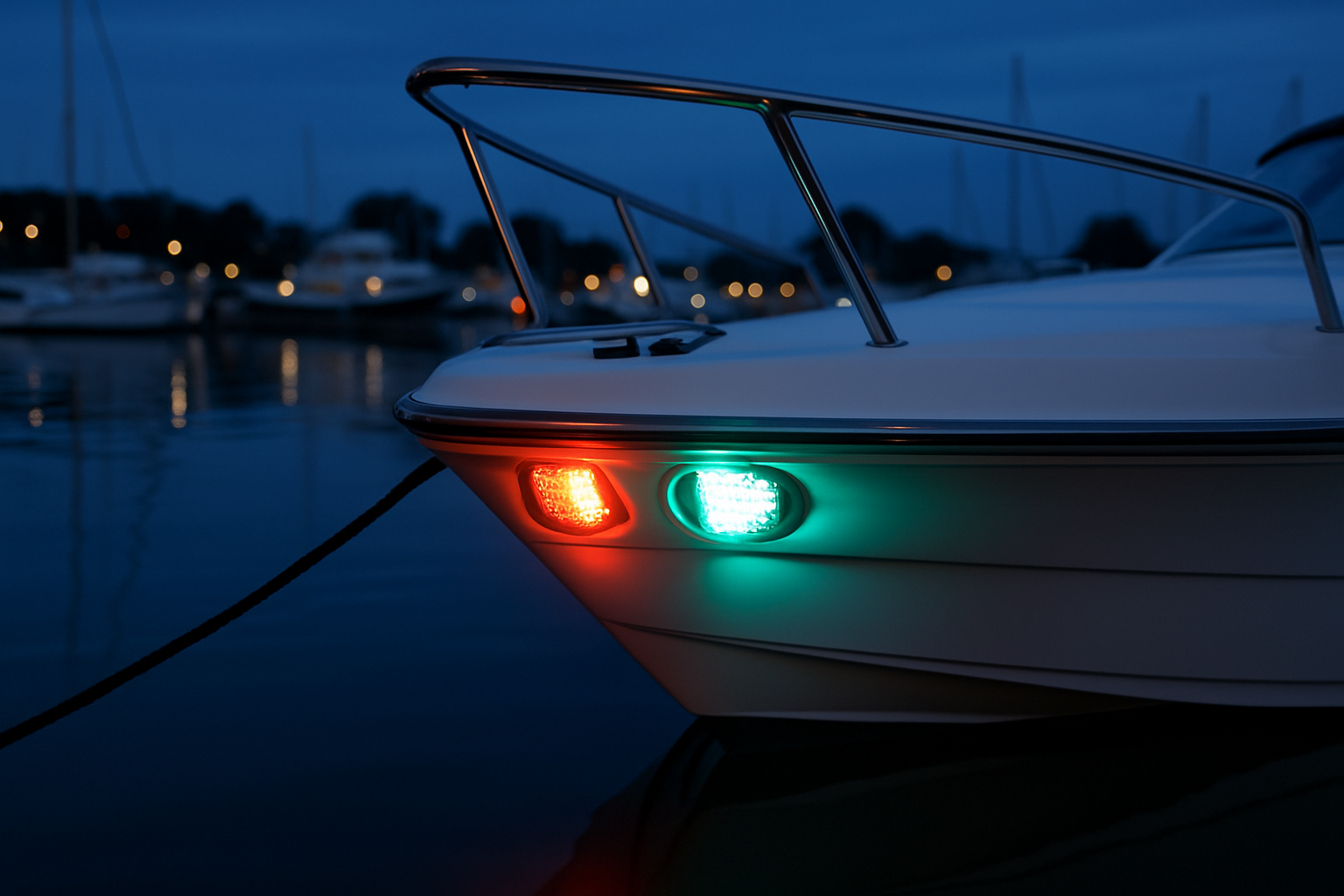
- Navigation lights and anchor light
- Bilge pump and float switch operation
- Horn, electronics, and accessory switches
What to do:
- Clean terminals and apply dielectric or corrosion protection
- Secure loose wiring
- Replace weak batteries before they fail at the ramp
- Confirm chargers and onboard systems work properly
5. Steering and Controls
Smooth control response is a safety issue, not just a convenience item.
Inspect:
- Steering wheel for stiffness or play
- Hydraulic steering fluid level if equipped
- Throttle and shift cables for smooth movement
- Control box mounting and function
What to do:
- Lubricate approved points
- Replace binding cables
- Address steering stiffness before launch
6. Bilge, Pumps, and Plumbing
Water management systems deserve close attention every season.
Inspect:
- Bilge pump function
- Float switch activation
- Livewell and washdown pumps
- Hose clamps and plumbing connections
- Seacocks and valves for operation
What to do:
- Clean debris from the bilge
- Replace rusted clamps
- Test all pumps with fresh water before use
7. Safety Equipment
A seasonal inspection is the right time to review legal and practical safety items.
Inspect:
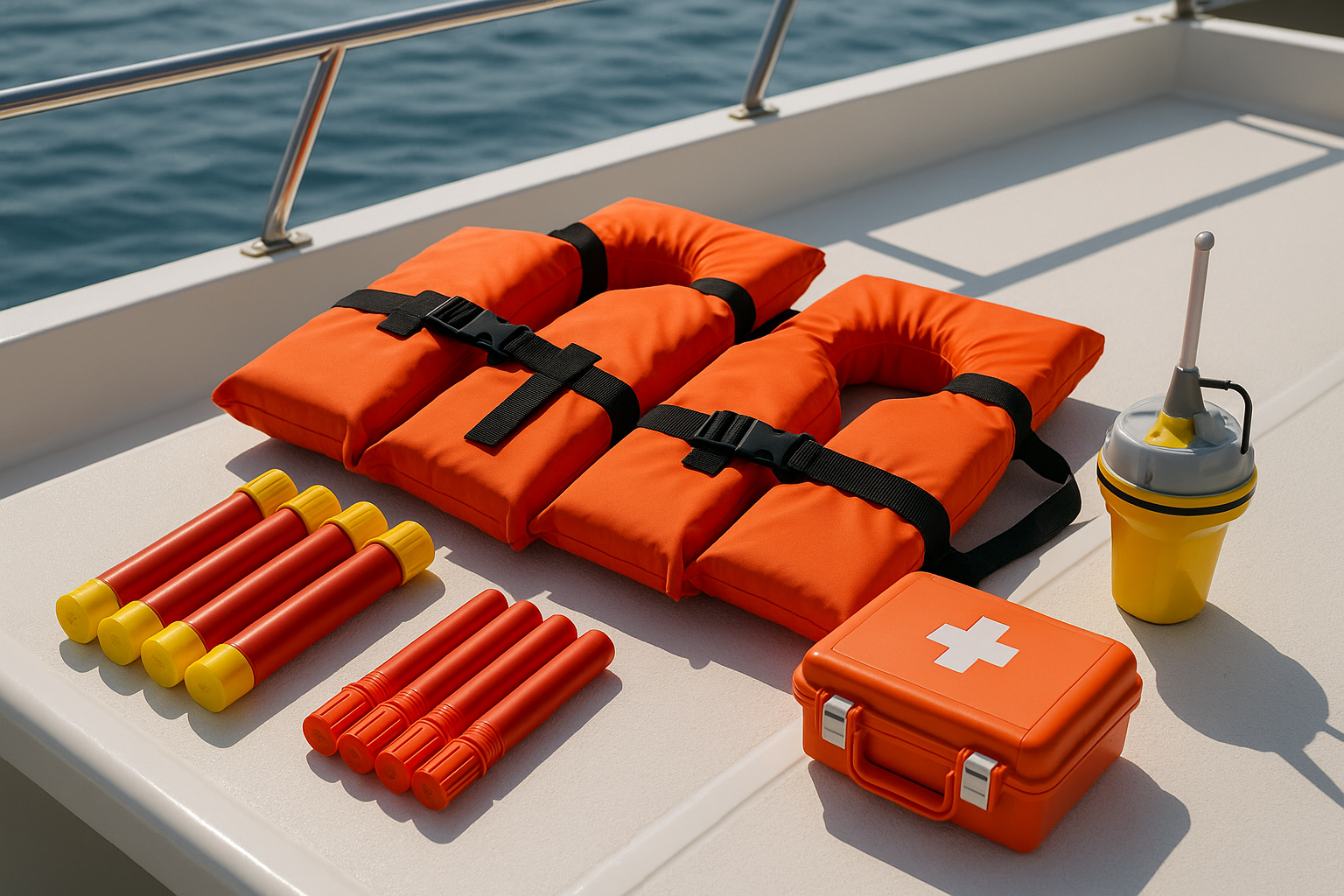
- Life jackets for tears, mildew, or broken buckles
- Throwable flotation device
- Fire extinguisher charge and expiration status
- Visual distress signals and flare dates
- Sound signaling device
- First aid kit contents
- VHF radio or emergency communication device
What to do:
- Replace expired or damaged gear
- Store safety equipment where it is easy to reach
- Confirm all passengers have properly sized life jackets
8. Trailer Inspection
If we trailer our boat, the trailer needs its own annual checklist.
Inspect:
- Tires for dry rot, tread wear, and proper pressure
- Wheel bearings and grease condition
- Brake function and brake fluid if equipped
- Winch strap for fraying
- Trailer lights and wiring
- Bunks, rollers, and frame corrosion
What to do:
- Repack bearings or service hubs
- Replace old tires before a long tow
- Repair non-working lights immediately
How to Perform an Annual Boat Inspection
Follow these steps for a thorough seasonal review.
Step 1: Gather Supplies and Documentation
Bring together your owner’s manual, maintenance records, flashlight, gloves, basic hand tools, marine cleaner, battery charger, grease, spare fuses, and replacement filters.
Safety note: Disconnect shore power and turn off battery switches before beginning electrical work.
Step 2: Start With a Full Exterior Walkaround
Inspect the hull, transom, deck, hardware, and trailer. Look for cracks, corrosion, missing sealant, and impact damage.
Safety note: Use wheel chocks and confirm the trailer is parked on stable, level ground.
Step 3: Check the Propeller and Lower Unit
Remove the prop if needed and inspect for line, damage, and leaking seals. Check lower unit lubricant condition.
Safety note: Remove the ignition key and ensure the engine cannot start accidentally.
Step 4: Inspect the Engine and Fuel System
Check oil, filters, hoses, clamps, belts, spark plugs, and fuel lines. Replace any component that shows age, cracking, or leakage.
Safety note: Ventilate the area well and never inspect fuel components around sparks or open flame.
Step 5: Test Battery and Electrical Components
Measure battery voltage, clean terminals, inspect wiring, and test lights, pumps, horn, and electronics.
Safety note: Wear eye protection when working around batteries and avoid bridging terminals with tools.
Step 6: Verify Steering, Controls, and Pumps
Turn the wheel lock to lock, shift in and out of gear with the engine off, and test bilge and livewell pumps.
Safety note: Keep hands clear of moving linkage and control mechanisms.
Step 7: Review Safety Gear and Registration Items
Check life jackets, extinguisher, flares, registration, and emergency communication devices.
Safety note: Replace expired flares and damaged extinguishers according to local disposal rules.
Step 8: Finish With a Water Test
If all systems pass inspection, perform a short launch-day shakedown. Watch engine temperature, charging voltage, steering response, vibration, and bilge activity.
Safety note: Carry a second person during the first run after maintenance whenever possible.
Common Seasonal Maintenance Mistakes to Avoid
Even experienced owners miss a few basics. We recommend avoiding these common errors:
- Skipping battery checks because the engine started last season
- Ignoring old fuel lines that look only slightly worn
- Forgetting to inspect expired flares and extinguishers
- Overlooking trailer tires that age out before tread wears out
- Launching without testing the bilge pump and float switch
- Using non-marine sealants or hardware where marine-grade parts are needed
When to Do It Yourself vs. Call a Marine Technician
Many annual maintenance tasks are well within the reach of careful boat owners, including washing, visual inspection, battery care, prop checks, safety gear review, and basic filter replacement.
We recommend calling a qualified marine technician when you find:
- Fuel leaks or strong fuel odor
- Compression or starting issues
- Major electrical faults
- Soft spots in the deck or transom
- Lower unit seal concerns
- Hydraulic steering leaks
- Trailer brake problems beyond basic adjustment
FAQ
1. How often should we do an annual boat maintenance inspection?
At least once a year, ideally before the main boating season. Boats used heavily in saltwater may benefit from a more detailed mid-season check as well.
2. What is the most important item on an annual boat maintenance checklist?
The engine and fuel system are usually the highest priority, but safety gear, battery condition, and bilge pump function are just as critical for safe operation.
3. Can we do annual boat maintenance ourselves?
Yes, many inspection and basic service tasks are DIY-friendly. Complex engine, fuel, steering, or electrical repairs are often better handled by a marine professional.
4. Should trailer maintenance be part of the same checklist?
Absolutely. A healthy boat trailer is essential for safe transport, and annual bearing, tire, brake, and light checks should be part of the same routine.
5. What supplies should we keep on hand for seasonal maintenance?
We recommend a smart battery charger, marine cleaner, corrosion inhibitor, spare fuses, filters, marine grease, basic hand tools, and the boat’s service manual.
Get your free Get Our Free Boat Gear Checklist
The essential marine gear list every boater should have before hitting the water.
Final Thoughts
A consistent annual maintenance routine gives us more confidence at the ramp, on the trailer, and out on the water. The best annual boat maintenance checklist is the one we actually follow every season, with written notes, dated service records, and prompt repairs when problems appear. If we inspect the major systems carefully and use marine-specific products where they matter most, we can reduce surprises and keep our boat ready for a safer, smoother season.

Top Picks & Comparison
| # | Product | Price | Rating | ||
|---|---|---|---|---|---|
| #1 | |
The Four Seasons of Boat Maintenance: A CHECKLIST BASED PLAN |
$38.99 | (15) | Check Price on Amazon → |
| #2 |  |
Boat Safety Equipment Checklist: Pre-Departure, Routine, and Annual Vessel Inspection Record. |
$9.99 | — | Check Price on Amazon → |
| #3 |  |
Boat Inspection Checklist: Boat Pre-Departure Inspection Book | Safety & Maintenance Checklist for Boat Owners & Captains | 100 Pages |
$9.99 | (2) | Check Price on Amazon → |
| #4 |  |
Boat Safety Equipment Checklist: Marine Safety Gear, Navigation, and Emergency Equipment Inspection Record for Boat Owners and Marine Operators. |
$9.99 | — | Check Price on Amazon → |