Best Canoes for Beginners: Stable, Easy, and Affordable (2026)

Alana Azzouz is a Senior Editor at Searchshop Media Network with over a decade of experience in consumer content quality and editorial standards. She has reviewed thousands of product guides, buying articles, and comp…
Why trust us
TopBoatGear articles are researched by the Searchshop Editorial team using manufacturer specs, marine industry sources, and feedback from hands-on boaters. Our standard is saltwater first — if a product is not rated or proven for marine environments, we say so. We may earn a commission on qualifying purchases; it does not change what we recommend. If a product fails in saltwater, the article changes.

How We Evaluated
We researched the top options, comparing them across key factors including performance, value, ease of use, and reliability. Our recommendations are based on editorial evaluation of verified specifications, owner-reported real-world performance, and domain expertise.
Quick Comparison
| Product | Price | Rating | |
|---|---|---|---|

Best Pick
Old Town Discovery 133 Recreational Canoe, 3 Person, 13 ft 3 in
|
$1,399.99 | (7) | Check Price on Amazon → |
#2
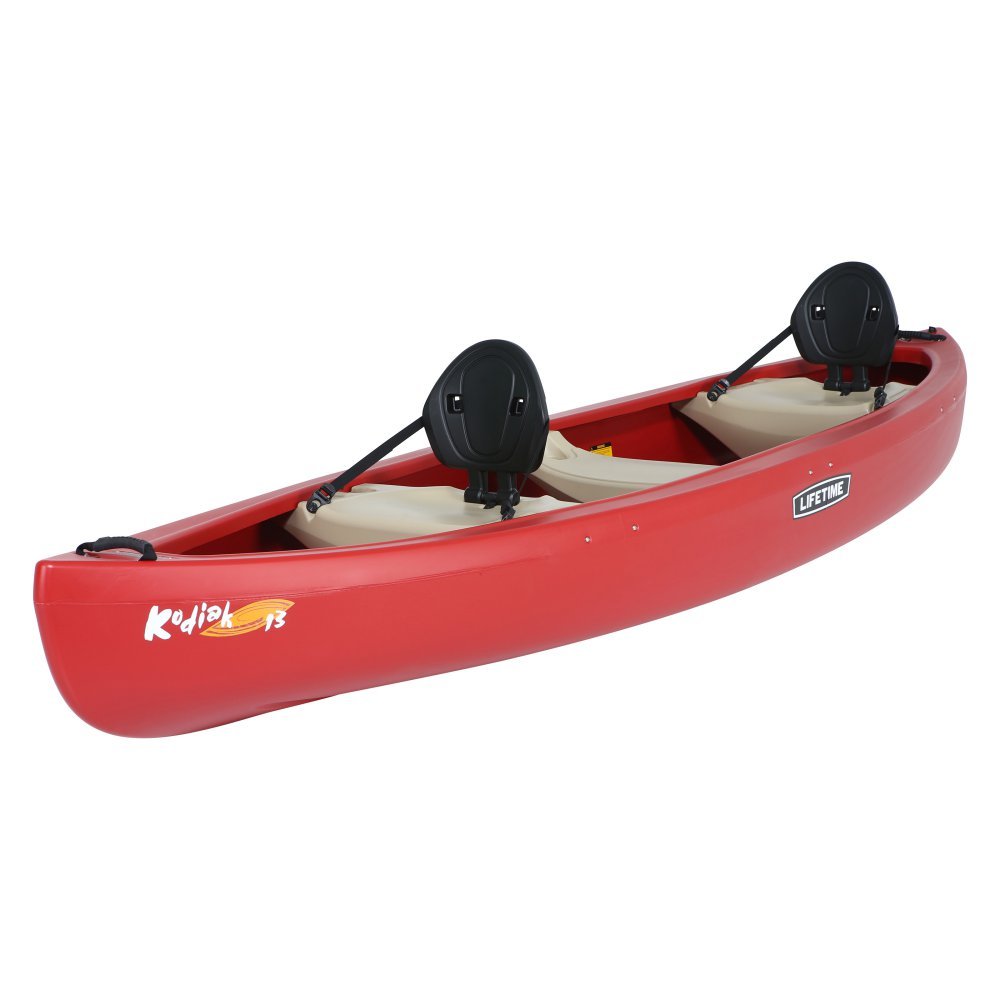
Lifetime Kodiak Canoe with 2 Paddles, Red, 13'
|
$798.00 | (81) | Check Price on Amazon → |
#3
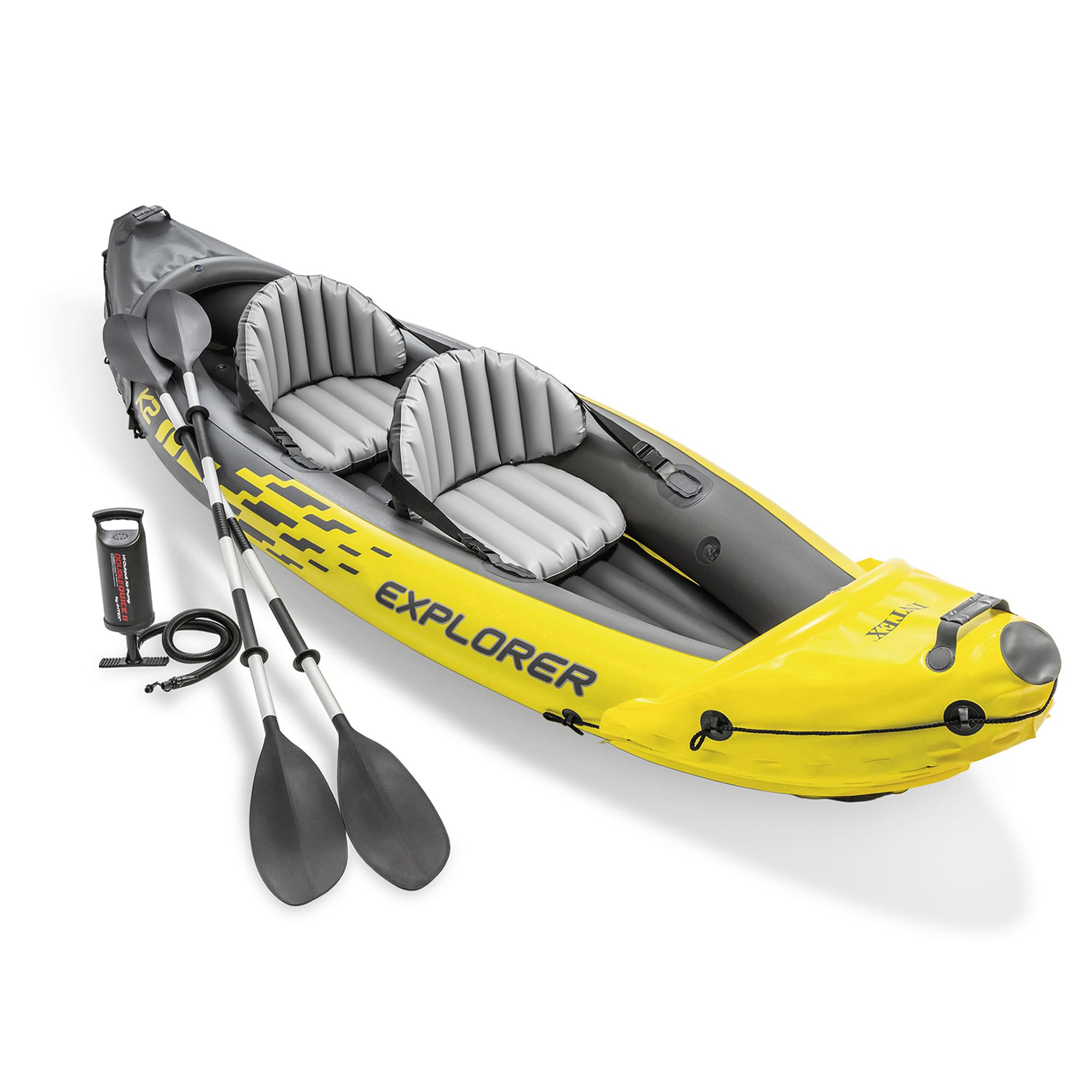
Intex 68307EP Explorer K2 Inflatable Kayak Set: Includes Deluxe 86in Aluminum Oars and High-Output Pump – SuperStrong PVC – Adjustable Seats with Backrest – 400lb Weight Capacity
|
$159.99 | (30,296) | Check Price on Amazon → |
#4
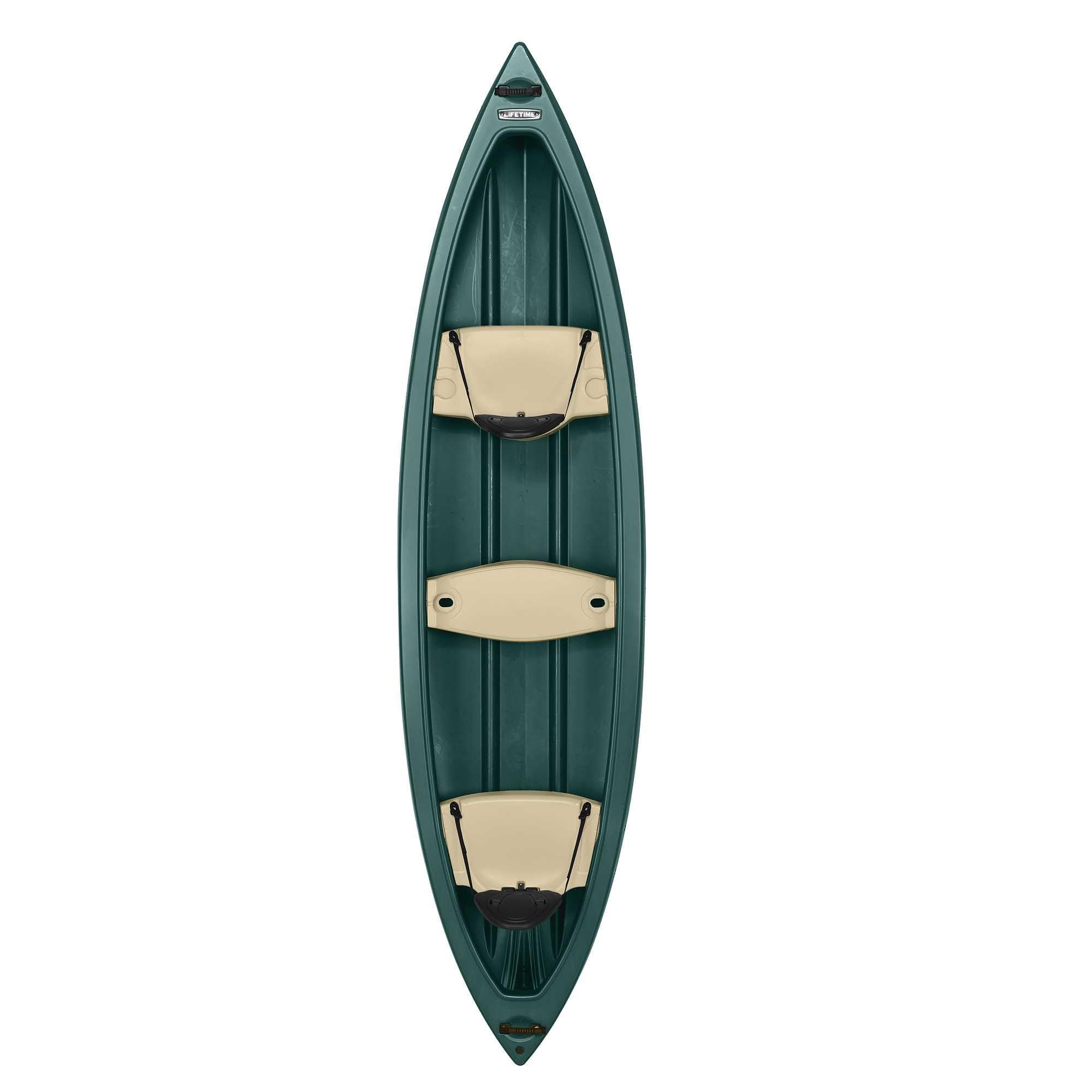
LIFETIME Wasatch Canoe, Green, 13'
|
$799.99 | — | Check Price on Amazon → |
Best Canoes for Beginners: Stable, Easy, and Affordable
Finding the best canoe for beginners can feel harder than it should be. There are recreational canoes, solo canoes, tandem canoes, lightweight models, and ultra-durable hulls that all promise easy paddling. For most of us starting out, though, the right choice is simpler: we want a canoe that feels stable on the water, is easy to load and paddle, and does not blow up the budget.
In this guide, we compare beginner-friendly canoe types, explain the features that matter most, and highlight what to look for before we buy. Whether we plan to fish on a calm lake, take the family out for short day trips, or learn basic paddling skills, a well-chosen starter canoe makes the learning curve much smoother.
All Picks & Comparison
| # | Product | Best For | Price | Rating | ||
|---|---|---|---|---|---|---|
| #1 | |
Old Town Discovery 133 Recreational Canoe, 3 Person, 13 ft 3 in |
— | $1,399.99 | (7) | Check Price on Amazon → |
| #2 | |
Lifetime Kodiak Canoe with 2 Paddles, Red, 13' |
— | $798.00 | (81) | Check Price on Amazon → |
| #3 | |
Intex 68307EP Explorer K2 Inflatable Kayak Set: Includes Deluxe 86in Aluminum Oars and High-Output Pump – SuperStrong PVC – Adjustable Seats with Backrest – 400lb Weight Capacity |
— | $159.99 | (30,296) | Check Price on Amazon → |
| #4 | |
LIFETIME Wasatch Canoe, Green, 13' |
— | $799.99 | — | Check Price on Amazon → |
Comparison Table: Best Beginner-Friendly Canoe Types
The best choice depends on where and how we paddle. This table compares the most common beginner-friendly canoe categories.
| Canoe Type | Best For | Stability | Ease of Paddling | Portability | Typical Price Range | Beginner Verdict |
|---|---|---|---|---|---|---|
| Recreational Tandem Canoe (14-16 ft) | Lakes, calm rivers, family trips | High | Easy | Moderate | $$ | Best all-around choice for most beginners |
| Short Recreational Canoe (13-14 ft) | Small lakes, casual solo or tandem use | High | Easy | Better than longer canoes | $$ | Great if we want simpler transport and storage |
| Solo Recreational Canoe | Solo paddlers on calm water | Medium-High | Easy once seated correctly | Good | $$-$$$ | Best for one-person paddling and lighter loads |
| Fishing Canoe | Anglers, extra gear, calm water | High | Moderate | Moderate-Poor | $$-$$$ | Excellent stability, but often heavier |
| Lightweight Composite Canoe | Easy carrying, frequent loading | Medium | Easy | Excellent | $$$-$$$$ | Great if low weight matters more than price |
| Polyethylene Canoe | Durability and casual use | High | Moderate | Poor | $$-$$$ | Tough and beginner-friendly, but usually heavy |
| Royalex/T-Formex Style Canoe | Rivers, mixed conditions | Medium-High | Good | Moderate | $$$ | Versatile and durable if we want room to grow |
What Makes the Best Canoe for Beginners?
Related Reads
Best Fishing Kayaks for Anglers: Stability, Storage, and Value (2026)
We researched the best fishing kayaks for anglers, comparing stability, storage, comfort, and value so you can choose the right kayak for your waters and budget.
 By Salem Hassan
Kayak vs. Canoe: Which Is the Better Choice for Your Adventures?
Not sure whether to buy a kayak or canoe? We researched the key differences in design, stability, speed, storage, and comfort so you can choose the right boat for your adventures.
By Salem Hassan
Best Kayak Paddles for All Skill Levels and Budgets (2026)
We break down the best kayak paddle options for every type of paddler, with a comparison table, sizing tips, buying advice, and FAQs to help us choose the right paddle for comfort, efficiency, and value.
By Alana Azzouz

A beginner canoe should inspire confidence first. Speed and advanced handling come later. When we are learning, the best canoe is usually one that tracks predictably, resists tipping during normal movement, and gives us enough space for a second paddler or some gear.
Here are the biggest traits to prioritize:
1. Primary stability
Primary stability is how steady the canoe feels when sitting flat on the water. Beginners usually prefer a hull that feels planted right away rather than one that feels lively or tippy.
2. Moderate width
A wider canoe often feels more stable, especially at rest. Very narrow canoes may be faster, but they can feel twitchy for new paddlers.
3. Forgiving hull shape
Flat-bottom and shallow-arch hulls are popular for beginners. They tend to feel stable and predictable on calm water.
4. Reasonable weight
A canoe can be great on the water and still be frustrating if it is too heavy for us to move from the car to the launch. Weight matters more than many first-time buyers expect.
5. Tough, low-maintenance construction
Beginner canoes often get dragged onto shore, bumped into docks, or stored less-than-perfectly. Durable materials can save money and stress.
6. Affordable price
For a first canoe, value matters. We do not need a premium expedition build to enjoy local lakes, slow rivers, and family outings.
Our Top Picks by Beginner Need
Rather than naming one single model for everyone, we think it is more helpful to match the canoe to the kind of beginner we are.
Best Overall Canoe for Beginners
A 14- to 16-foot recreational tandem canoe is the best fit for most first-time buyers. This size range gives us a stable platform, enough room for two adults, and decent versatility for lakes, ponds, and mellow rivers.
Why it works:
- Stable enough for learning basic strokes
- Easy to use with a partner
- Room for a child, dog, or picnic gear
- Widely available at multiple price points
- Better resale value because it appeals to many buyers
If we only want one canoe for family fun and casual paddling, this is usually the safest bet.
Best Budget Canoe for Beginners
A used polyethylene or aluminum recreational canoe often offers the best value. New paddlers can save significantly by shopping local listings, outfitters, and end-of-season sales.
Why it works:
- Lower upfront cost
- Durable enough to handle mistakes
- Good for testing whether canoeing becomes a long-term hobby
The tradeoff is weight. Budget-friendly canoes are often heavier, so we should make sure we can lift, carry, and store one comfortably.
Best Canoe for Solo Beginners
A solo recreational canoe or a short tandem canoe paddled from a centered position works best for those of us who usually paddle alone.
Why it works:
- Easier to control without a partner
- Better trim and handling than paddling a large tandem solo
- Usually lighter and simpler to transport
If we know we will paddle alone 90% of the time, a dedicated solo design is often the smarter buy.
Best Canoe for Families
A 15- or 16-foot recreational canoe with high initial stability is ideal for family outings. We get more room for kids, snacks, spare layers, and the inevitable extra gear.
Look for:
- Comfortable seats
- Enough capacity for total passenger weight
- Stable entry and exit at shore
- Durable hull material
Families usually appreciate stability and capacity more than speed.
Best Canoe for Beginner Fishing
A wide fishing canoe is a strong choice if our main goal is calm-water angling. These canoes often feel extremely stable and carry tackle, coolers, and extra equipment well.
Pros:
- Excellent platform for casting
- More secure feeling when shifting weight
- Good load capacity
Cons:
- Heavier to transport
- Slower on the water
- Can feel bulky for casual recreational paddling
If fishing is the main use, the extra stability is often worth the tradeoff.
Best Lightweight Canoe for Beginners
A lightweight composite recreational canoe is best for those of us who need easier car-topping, carrying, or solo loading. If we live in an apartment, paddle alone, or often launch without help, lower weight can matter more than ultimate toughness.
The downside is cost. Lightweight canoes usually cost more, so they are best for buyers who know they will paddle often.
How to Choose the Right Beginner Canoe
Buying a canoe gets easier when we narrow it down by use, size, material, and transport needs.
1. Decide where we will paddle most
Calm lakes and ponds favor recreational hulls with strong stability. Slow rivers need stability too, but a little maneuverability helps. If we expect moving water beyond easy current, we should look at more river-capable designs.
2. Choose solo or tandem honestly
Many first-time buyers assume a tandem canoe can do everything. It can, but large tandems are not always enjoyable to paddle alone. If we mostly go solo, we should prioritize a solo-friendly design.
3. Check capacity, not just length
A canoe must support the combined weight of paddlers, gear, water, and safety equipment. We should avoid loading near the maximum rating if we want better performance and freeboard.
4. Think about carry weight
A stable canoe is not helpful if we dread moving it. Before buying, we should ask ourselves:
- Can we lift it onto our vehicle?
- Can we carry it from parking to launch?
- Will we store it at home without a struggle?
5. Pick a material that matches our priorities
Common canoe materials include:
- Polyethylene: affordable, durable, heavy
- Aluminum: durable, classic, often noisy and less comfortable in extreme temperatures
- Fiberglass/composite: lighter, smoother performance, more expensive
- T-Formex or similar layered plastics: durable and versatile, usually mid-to-high priced
6. Sit in it if possible
Seat comfort, width, and overall feel matter. A canoe that looks perfect on paper may not feel right once we step in.
Best Canoe Features for Beginners
Some features make life easier right away. Others are nice but not essential.
Features worth prioritizing
- Comfortable webbed or molded seats
- Carry handles or solid grab points
- Durable gunwales
- Enough width for confidence
- Stable hull shape
- Adequate capacity for real-world loads
Features that are nice to have
- Adjustable seats or foot braces
- Rod holders for fishing
- Center seat or kneeling thwart for solo use
- Foam flotation or added buoyancy
- Cup holders and accessory mounts
Features we do not need to overpay for
- Premium racing-inspired hulls
- Ultralight expedition layups for casual paddling
- Advanced outfitting meant for whitewater specialists
Material Guide: Which Canoe Material Is Best for Beginners?
Polyethylene
This is one of the most common beginner materials. It is durable and usually affordable, making it appealing for families and casual paddlers.
Best for:
- Budget-conscious buyers
- Rough treatment
- Short carries and easy-access launches
Watch out for:
- Heavy weight
- Slower loading and transport
Aluminum
Aluminum canoes are still a practical option for many beginners. They are durable and often available used at fair prices.
Best for:
- Buyers who want value and longevity
- Camps, cabins, and utility use
Watch out for:
- Can feel loud if gear bumps the hull
- Hot in sun, cold in chilly weather
- Not the lightest choice
Fiberglass and Composite
These canoes are often lighter and more efficient on the water. They are easier to carry but cost more.
Best for:
- Frequent paddlers
- Solo users who load alone
- Buyers who value lower weight
Watch out for:
- Higher price
- Less forgiving of hard impacts than some plastic options
T-Formex and Similar Materials
These materials aim to balance durability, performance, and manageable weight.
Best for:
- Paddlers who want versatility
- Mixed lake-and-river use
- Buyers planning to keep the canoe for years
Watch out for:
- Mid-to-premium pricing
Common Beginner Canoe Mistakes to Avoid
A first canoe does not need to be perfect, but we can avoid a few expensive mistakes.
Buying too long
Longer canoes track well and carry more, but they can feel cumbersome for casual beginners. For many of us, 14 to 16 feet is the sweet spot.
Ignoring weight
A heavy canoe can limit how often we actually use it. If loading is a chore, paddling happens less.
Choosing speed over stability
Beginner confidence matters more than performance. A fast canoe that feels unstable is rarely fun for first-time paddlers.
Underestimating storage
We need a dry, secure place to store the canoe without warping or damage. Measure first.
Forgetting the total cost
Budget for paddles, life jackets, tie-down straps, roof racks, and possibly a cart. The canoe is only part of the setup.
How We Test Whether a Canoe Is Beginner-Friendly
If we can demo or inspect a canoe in person, we use a simple checklist.
1. Step in carefully at the launch
Does it feel reassuring or nervous as we enter?
2. Sit in a normal paddling position
Can we settle in comfortably without awkward balance adjustments?
3. Paddle in a straight line
Does it track predictably with basic forward strokes?
4. Try gentle turns
A beginner canoe should respond without feeling wild or delayed.
5. Shift weight slightly
We are not trying to rock it aggressively, just checking whether normal movement feels manageable.
6. Test loading and carrying
If possible, lift one end, use the carry handles, and picture real transport from car to water.
How to Buy the Best Canoe for Beginners in 6 Steps
1. Set a realistic total budget
We include the canoe, paddles, PFDs, straps, and storage needs.
2. Match the canoe to our main water type
Calm lakes need a different setup than rivers with current.
3. Choose the right size
Most beginners do best with a stable recreational canoe in the 14- to 16-foot range.
4. Compare materials
We decide whether lower cost, lighter weight, or greater durability matters most.
5. Check transport and storage before purchase
We confirm vehicle compatibility, roof rack setup, and home storage space.
6. Buy the most stable canoe we will actually use
The best canoe is the one that gets paddled often, not the one with the fanciest specs.
New vs. Used Canoes for Beginners
Buying used can be a smart move, especially for a first canoe. We can often get a better material or a more reputable brand for the same money.
Buy used if:
- We want the best value
- Cosmetic wear does not bother us
- We can inspect for cracks, deep gouges, soft spots, or poor repairs
Buy new if:
- We want warranty protection
- We need a specific size or layout
- Local used options are limited or overpriced
For many beginners, a lightly used recreational canoe is the best balance of cost and performance.
Accessories We Should Budget For
A canoe alone is not enough for a safe first outing.
Essential gear:
- Coast Guard-approved PFDs for every paddler
- At least one properly sized paddle per person
- Spare paddle
- Bow and stern tie-downs
- Roof rack or transport solution
- Dry bag for phone, keys, and layers
- Sponge or bailer
Helpful extras:
- Canoe cart
- Seat pad or back support
- Waterproof phone case
- Anchor kit for fishing
- Knee pads for kneeling paddlers
FAQ
Get your free Get Our Free Boat Gear Checklist
The essential marine gear list every boater should have before hitting the water.
What is the best canoe length for beginners?
For most of us, 14 to 16 feet is the ideal range. It offers a strong balance of stability, capacity, and manageable handling.
Is a wider canoe better for beginners?
Usually, yes. A wider canoe tends to feel more stable at rest, which helps build confidence. The tradeoff is a bit less speed and efficiency.
Can beginners use a canoe solo?
Yes, but it is easier in a solo canoe or a shorter tandem that can be paddled from a centered position. Large tandems can be awkward alone.
What is the most stable canoe hull for beginners?
Flat-bottom and shallow-arch recreational hulls are generally the most beginner-friendly for calm water use.
Are cheap canoes worth buying?
They can be, especially if they are durable and fit our needs. The main compromise is often weight. A heavier affordable canoe may still be an excellent first purchase.
Is a kayak better than a canoe for beginners?
Not necessarily. Canoes are easier for carrying kids, dogs, coolers, and general gear. Kayaks may feel easier for solo paddlers in some situations, but canoes are often more versatile for family recreation.
Should we buy aluminum or plastic for a first canoe?
Both can work well. Plastic is common and durable, while aluminum can offer strong long-term value, especially on the used market. The better choice depends on budget, weight tolerance, and availability.
Final Thoughts
The best canoe for beginners is usually not the fastest, lightest, or most expensive option. It is the canoe that helps us feel stable, comfortable, and excited to get back on the water. For most buyers, that means a recreational tandem canoe in the 14- to 16-foot range, with a durable hull and a price that leaves room for proper safety gear.
If we prioritize stability, manageable weight, honest capacity, and realistic transport needs, we are far more likely to end up with a canoe we actually use. And for beginners, that is what matters most.