Boat Emergency Kit Checklist: Everything You Must Have Onboard

Salem Hassan founded Travelcamp RV and brings 30+ years of hands-on RV, marine, and powersports retail experience to every review.
✎ Reviewed by Salem Hassan — Founder, Travelcamp RV · 30+ years in RV, marine, and powersports retail
Why trust us
TopBoatGear articles are researched by the Searchshop Editorial team using manufacturer specs, marine industry sources, and feedback from hands-on boaters. Our standard is saltwater first — if a product is not rated or proven for marine environments, we say so. We may earn a commission on qualifying purchases; it does not change what we recommend. If a product fails in saltwater, the article changes.
Boat Emergency Kit Checklist: Everything You Must Have Onboard
A reliable boat emergency kit checklist is one of the smartest tools any skipper can use before leaving the dock. On the water, small problems can escalate quickly, so we recommend building a kit that covers medical issues, fire, flooding, signaling, power loss, and unexpected weather. We researched the most important onboard safety essentials and organized them into a practical checklist you can use for day boats, fishing boats, pontoons, and coastal cruisers.
Key Takeaways
- Every boat should carry emergency gear for medical care, signaling, fire response, flooding, and breakdowns.
- Coast Guard-required equipment is only the starting point; a true emergency kit goes further.
- Store gear in waterproof, labeled containers and check expiration dates regularly.
- Match your kit to your boating area, passenger count, weather exposure, and trip length.
- We recommend reviewing and restocking your kit at the start of every season.
Comparison Table
| Product Type | Best For | Key Features to Look For | Pros | Cons |
|---|---|---|---|---|
| Waterproof Marine First Aid Kit | Injury response | Waterproof case, trauma supplies, labeled compartments | Fast access, organized, broad coverage | May need customization for family or offshore use |
| Handheld VHF Radio | Communication backup | Floating design, DSC/GPS, long battery life | Works beyond cell range, essential in emergencies | Needs charging and user familiarity |
| Electronic Distress Light | Visual signaling | USCG compliance, waterproof housing, long runtime | Safer and longer-lasting than traditional flares | Higher upfront cost |
| Compact Jump Starter | Dead battery situations | Marine-safe storage, USB output, battery status display | Quick restart option, useful for electronics too | Must be kept charged |
| Dry Bag or Waterproof Emergency Case | Gear organization | Roll-top seal, bright color, shoulder strap | Protects supplies, easy grab-and-go storage | Can become cluttered without labeling |
1. Waterproof Marine First Aid Kit
A marine first aid kit should go beyond basic adhesive bandages. We recommend a kit with trauma pads, antiseptic supplies, gloves, burn care, and a CPR barrier.
Pros:
- Keeps medical items dry and organized
- Speeds up treatment during stressful moments
- Easy to inspect and restock
Cons:
- Prebuilt kits may omit medications you personally need
- Budget kits often lack trauma-grade supplies
2. Handheld VHF Radio
A handheld VHF is one of the most valuable emergency tools on any boat, especially if your main electrical system fails. We researched marine radios with floating bodies, weather alerts, and simple controls.
Pros:
- Reliable communication when cell service fails
- Useful for distress calls and marina contact
- Portable and easy to store in a ditch bag
Cons:
- Battery must be maintained
- Range is limited compared with fixed-mount systems
3. Electronic Distress Light
Traditional pyrotechnic flares expire and require careful handling. Electronic distress lights offer a reusable, lower-maintenance signaling option for many boaters.
Pros:
- No flame or explosive charge
- Long service life
- Easier to store and inspect
Cons:
- May not fully replace all flare requirements in every jurisdiction
- Requires battery checks
4. Compact Jump Starter
A weak battery can leave you stranded surprisingly fast, especially after running electronics at anchor. A compact jump starter is a smart backup on smaller boats.
Pros:
- Helps restart engines without another vessel nearby
- Compact and multi-purpose
- Useful for charging phones and lights
Cons:
- Not a substitute for proper battery maintenance
- Extreme heat and moisture can shorten lifespan
5. Dry Bag or Waterproof Emergency Case
Even the best gear fails if it is soaked, corroded, or impossible to find. We recommend storing critical items in a clearly labeled waterproof bag or hard case.
Pros:
- Protects communication and medical gear
- Easy to move during evacuation or transfer
- Helps keep emergency supplies together
Cons:
- Needs regular organization
- Soft bags can be overstuffed
Why Every Boat Needs an Emergency Kit
Even on short trips, boaters can face dead batteries, fuel problems, cuts from fishing gear, sudden storms, engine trouble, or accidental falls overboard. Unlike roadside emergencies, help on the water may be delayed by distance, darkness, poor radio coverage, or rough conditions.
That is why we recommend thinking in layers:
- Stay afloat
- Stay visible
- Stay connected
- Treat injuries
- Control damage
- Get home safely
A complete emergency kit supports each of those priorities.
Complete Boat Emergency Kit Checklist

Use this checklist as your baseline. Then add items based on your boat type and local conditions.
Required and Core Safety Gear
- U.S. Coast Guard-approved life jackets for every passenger
- Throwable flotation device
- Sound-producing device such as a whistle or air horn
- Visual distress signals, if required for your waters
- Fire extinguisher rated for marine use
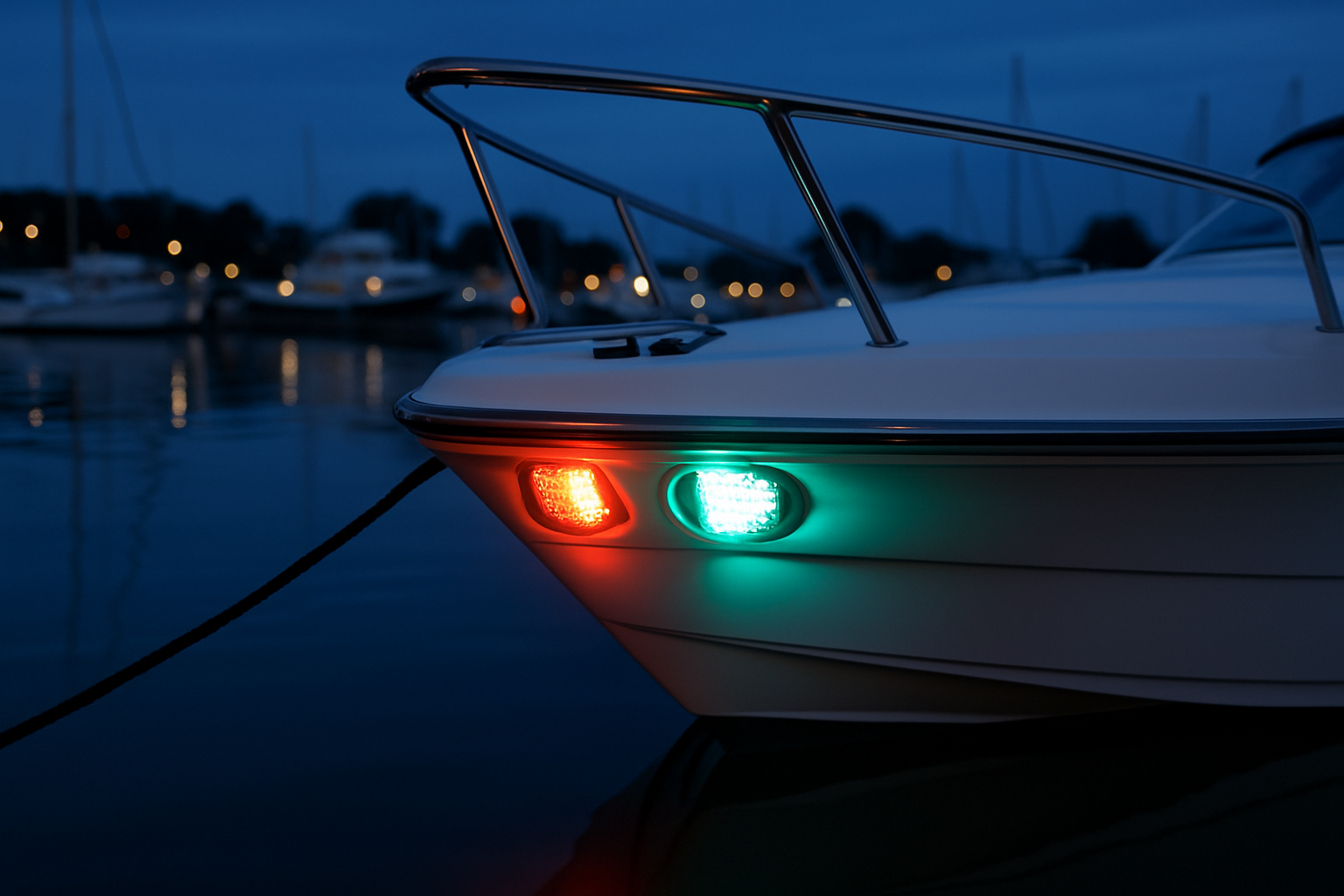
- Navigation lights in working order
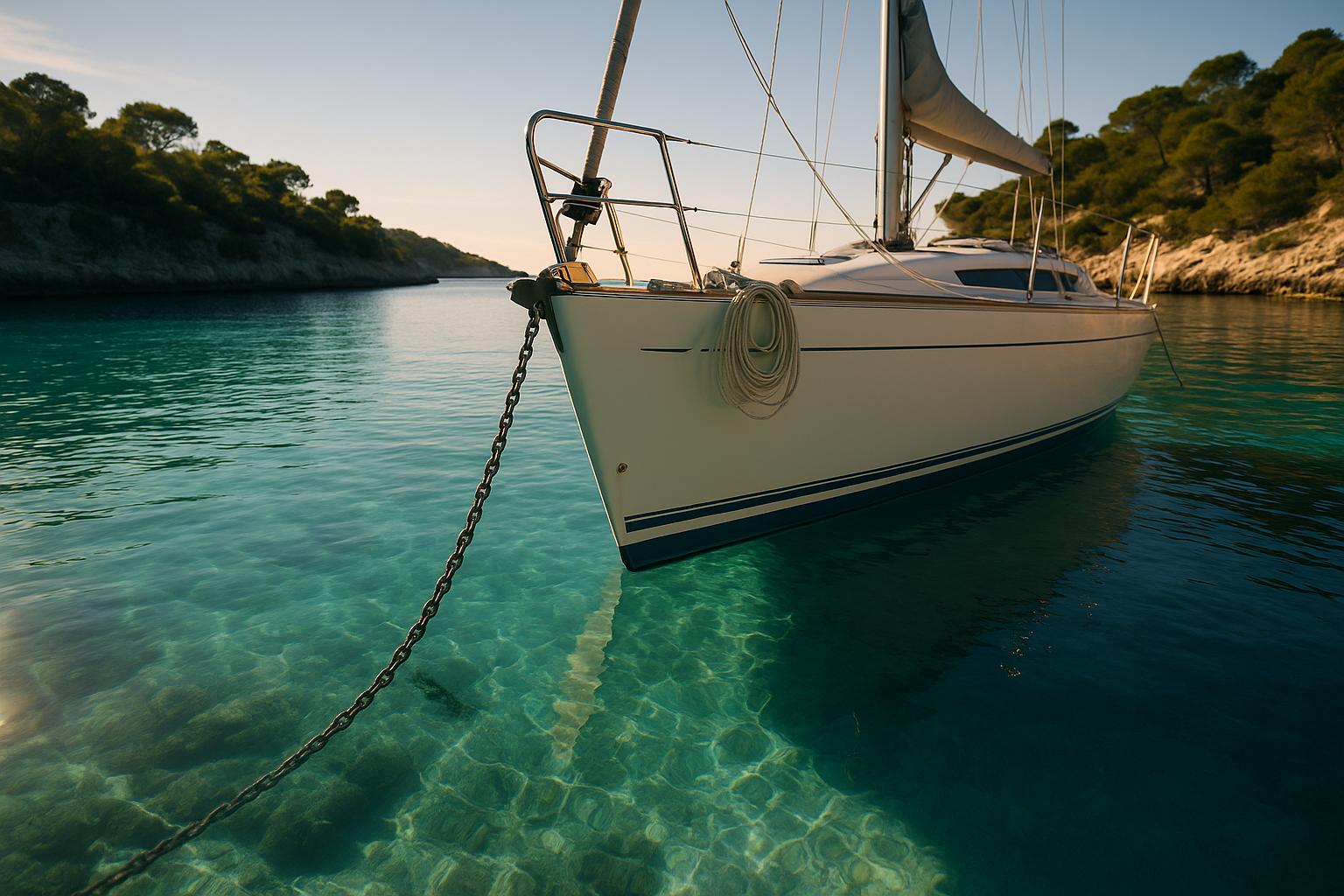
- Anchor with adequate rode and chain
- Bilge pump or manual bailing device
Medical and First Aid Supplies
- Waterproof first aid kit
- Adhesive bandages in multiple sizes
- Sterile gauze pads and roll bandages
- Antiseptic wipes and antibiotic ointment
- Tweezers, trauma shears, and medical tape
- Elastic wrap for sprains
- Burn cream or burn dressings
- Motion sickness tablets or bands
- Pain relievers
- Emergency blanket
- CPR face shield
- Nitrile gloves
- Any personal prescription medications
Signaling and Communication Gear
- Fixed-mount or handheld VHF radio
- Fully charged mobile phone in a waterproof case
- Personal locator beacon or EPIRB for offshore use
- Signal mirror
- Waterproof flashlight or headlamp
- Extra batteries
- Flares or electronic distress light
- High-visibility marker flag
Damage Control and Survival Items
- Duct tape or marine repair tape
- Multi-tool or marine knife
- Spare drain plug
- Wooden plugs for through-hull leaks
- Spare hose clamps and basic hand tools
- Emergency repair putty
- Tow line
- Extra dock lines and fenders
- Bucket or manual bilge pump
- Drinking water
- High-calorie snacks
- Sun protection and extra layers
- Rain gear
Mechanical and Electrical Backup Items
- Jump starter or battery booster
- Spare fuses
- Basic tool kit
- Spare engine oil, if appropriate
- Spare prop hardware or prop wrench
- Fuel filter or separator element for longer trips
- Paddle or oar for small boats
- Spare flashlight
- Paper chart or local map backup
Buyers Guide: Best Emergency Kit Components to Prioritize
Many boaters buy one pre-packed bag and assume they are covered. In our research, the best approach is usually a custom kit built around a few high-value core products. The table below highlights the categories we recommend prioritizing.
How to Build and Organize Your Boat Emergency Kit
A good checklist matters, but setup matters just as much. Follow these steps to build a kit that works when you need it.
Step-by-Step Setup
Start with legal safety requirements
Confirm what is required for your vessel size and boating area, including life jackets, fire extinguishers, and visual distress signals.Safety note: Regulations vary by state and by inland, coastal, or offshore use. Always verify current local rules before departure.
Choose a waterproof storage system
Use one main dry bag or marine box, then divide contents into smaller labeled pouches such as first aid, signaling, and tools.Safety note: Keep the kit accessible from the helm or cockpit. Do not bury it under coolers or gear.
Pack for the most likely emergencies first
Prioritize first aid, communication, signaling, bilge control, and battery backup before adding convenience items.Safety note: In a real emergency, simple and visible gear is better than a large, disorganized kit.
Add boat-specific spare parts
Include items that commonly fail on your vessel, such as fuses, a drain plug, spark plugs, hose clamps, or a prop nut kit.Safety note: Only carry parts and tools you know how to use safely on the water.
Include passenger-specific needs
Add children’s medications, prescription drugs, extra glasses, sunscreen, and seasickness remedies if relevant.Safety note: Medications should be stored in waterproof containers and checked for expiration dates.
Create a quick-access communication plan
Keep emergency contact numbers, marina numbers, and local towing service information in a waterproof card or phone backup.Safety note: Make sure all regular passengers know how to use the radio and where the emergency kit is stored.
Inspect and refresh the kit regularly
Replace expired flares, dead batteries, used first aid supplies, and outdated paperwork.Safety note: We recommend a full inspection at the start of the season and a quick check before every major trip.
What to Put in a Grab-and-Go Ditch Bag
If you boat offshore or on large lakes, a separate ditch bag is a smart addition. This is the bag you grab if you must abandon the vessel.
Ditch Bag Essentials
- Handheld VHF radio
- EPIRB or PLB
- Signal light and mirror
- Compact first aid kit
- Emergency water packets
- Energy bars
- Thermal blanket
- Flashlight
- Spare batteries or power bank
- Copies of IDs and vessel information
- Whistle
- Knife or multi-tool
We recommend using a floating, brightly colored waterproof bag for this purpose.
Common Mistakes Boaters Make
Relying Only on Required Equipment
Minimum legal gear does not equal full emergency preparedness. Required items may not cover medical needs, dead batteries, or communication failures.
Storing Gear Where Nobody Can Reach It
Emergency equipment should be easy to access quickly, even in rough water or low light.
Ignoring Expiration Dates
Flares, medications, batteries, and fire extinguishers all need routine checks.
Forgetting Crew Familiarity
A perfect kit is less useful if passengers do not know where it is or how to use it.
FAQ
What is the most important item in a boat emergency kit?
There is no single item, but we consider life jackets, a reliable communication device, and a first aid kit the most critical core pieces. Together, they address the most immediate life-threatening risks.
Do I need a separate emergency kit for inland lakes and offshore boating?
Yes. Inland boaters can often carry a simpler kit, while offshore boaters should add a ditch bag, EPIRB or PLB, more water, extra signaling gear, and more robust repair supplies.
How often should I check my boat emergency kit?
We recommend a quick review before each outing and a full inspection at least every season. High-use boats may need monthly checks during peak boating months.
Are electronic distress lights better than flares?
For many boaters, yes. They are reusable, easier to maintain, and safer to handle. However, you should confirm whether they meet the legal signaling requirements in your area.
Should I buy a pre-made marine emergency kit or build my own?
A pre-made kit is a good starting point, but we recommend customizing it. Your passenger count, boating location, weather exposure, and vessel systems all affect what you truly need onboard.
Get your free Get Our Free Boat Gear Checklist
The essential marine gear list every boater should have before hitting the water.
Final Thoughts
A smart boat emergency kit checklist is not about overpacking. It is about carrying the right gear, keeping it accessible, and knowing how to use it under pressure. We researched the most useful categories and found that the best kits are simple, organized, waterproof, and tailored to the boat they serve.

If you are updating your safety gear this season, start with the essentials: flotation, communication, first aid, signaling, and basic damage control. From there, build a kit that matches how and where you boat. That preparation can make the difference between a stressful delay and a true emergency.
Top Picks & Comparison
| # | Product | Price | Rating | ||
|---|---|---|---|---|---|
| #1 | |
Boat Safety Equipment Checklist: Marine Safety Gear, Navigation, and Emergency Equipment Inspection Record for Boat Owners and Marine Operators. |
$9.99 | — | Check Price on Amazon → |
| #2 |  |
Sirius Signal MK-1001 Boating Safety and Emergency SOS Kit - Complete Visual, Audible, and First Aid System - USCG Approved |
$159.95 | (66) | Check Price on Amazon → |
| #3 |  |
250 PCS Waterproof First Aid Kit, Roll Top Reflective Boat Dry Bag Bug Out Bags, Emergency Medical Kit Ideal for Boating, Camping, Fishing, Kayaking, Floating, Red |
$42.99 | (281) | Check Price on Amazon → |
| #4 |  |
Disaster & Emergency Preparedness Checklist Essential Planning Survival Guide with FEMA Info |
$7.99 | (8) | Check Price on Amazon → |