How to Anchor a Boat Safely: Complete Step-by-Step Guide

Salem Hassan founded Travelcamp RV and brings 30+ years of hands-on RV, marine, and powersports retail experience to every review.
✎ Reviewed by Salem Hassan — Founder, Travelcamp RV · 30+ years in RV, marine, and powersports retail
Why trust us
TopBoatGear articles are researched by the Searchshop Editorial team using manufacturer specs, marine industry sources, and feedback from hands-on boaters. Our standard is saltwater first — if a product is not rated or proven for marine environments, we say so. We may earn a commission on qualifying purchases; it does not change what we recommend. If a product fails in saltwater, the article changes.
🛠 What you'll need
-
 Check Price on Amazon →How Boat Things Work: An Illustrated Guide$12.48★★★★★ (430)
 -
 Check Price on Amazon →Powerboat Handling Illustrated: How to Make Your Boat Do Exactly What You Want It to Do$20.02★★★★★ (363)
 -
 Check Price on Amazon →Anchoring & Docking: A Practical Guide to Boat Handling in Every Situation$9.99
 -
 Check Price on Amazon →Boating Skills and Seamanship, 14th Edition$15.00★★★★★ (357)
How to Anchor a Boat Safely: Complete Step-by-Step Guide
Knowing how to anchor a boat safely is one of the most important skills any boater can learn. A properly set anchor keeps your boat secure for fishing, swimming, overnight stays, or waiting out changing conditions. We researched the essential techniques, common mistakes, and best anchor gear options to help boaters anchor with confidence, whether you run a small fishing boat, pontoon, center console, or family cruiser.
Key Takeaways
- Match the anchor type to the bottom conditions and boat size.
- Use enough rode scope, usually 5:1 to 7:1 in normal conditions.
- Approach your anchoring spot slowly and into the wind or current.
- Lower the anchor carefully; do not throw it overboard.
- Set the anchor by backing down gently and confirming the boat is not drifting.
- Always check landmarks, GPS position, and swing room for safety.
Buyers Guide: Best Anchor Types for Safe Anchoring

Choosing the right anchor is a major part of learning how to anchor a boat safely. The table below compares popular anchor styles and where they work best.
| Anchor Type | Best For | Bottom Type | Pros | Cons | Best Use Case |
|---|---|---|---|---|---|
| Fluke/Danforth | Small to mid-size boats | Sand, mud | Lightweight, strong holding in soft bottoms, easy to store | Less effective in rock, grass, or heavy current shifts | Day boats, pontoons, bay boats |
| Plow | Cruisers, larger boats | Sand, mud, mixed bottoms | Resets well with wind/current changes, versatile | Heavier, bulkier, may cost more | Coastal cruising, overnight anchoring |
| Claw/Bruce-style | General recreational use | Sand, mud, some rock | Easy to set, dependable in varied conditions | Lower holding power by weight than some modern designs | Family boats, casual anchoring |
| Grapnel | Very small boats, kayaks, PWCs | Rock, reef, temporary holds | Compact and foldable, useful in rough bottoms | Limited holding power in soft bottoms, not ideal for larger boats | Dinghies, kayaks, personal watercraft |
Fluke/Danforth Anchor
Pros
- Excellent holding in sand and mud
- Lightweight and affordable
- Common choice for small recreational boats
Cons
- Can struggle in weeds or rocky bottoms
- May not reset as well after a wind shift
Plow Anchor
Pros
- Good all-around performance
- Tends to reset well if the boat swings
- Strong option for larger boats and overnight use
Cons
- Heavier and harder to handle manually
- Takes more storage space
Claw/Bruce-Style Anchor
Pros
- Sets easily in many conditions
- Simple, dependable design
- Popular for mixed-bottom areas
Cons
- May require more weight for similar holding power
- Less compact than fluke anchors
Grapnel Anchor
Pros
- Compact and easy to stow
- Useful around rocks for very small craft
- Good as a secondary anchor
Cons
- Not ideal for larger boats
- Weak performance in mud or sand compared with dedicated anchors
Why Safe Anchoring Matters
Anchoring is not just about stopping the boat. It is about preventing drift into rocks, docks, channels, swimmers, or other vessels. Poor anchoring can damage the boat, the seabed, and nearby property. In changing weather, a badly set anchor can quickly become a dangerous situation.
When we researched safe anchoring practices, the same themes came up repeatedly: preparation, correct gear, proper scope, and constant situational awareness. If you get those right, anchoring becomes far easier and more reliable.
What You Need Before You Anchor

Before dropping anchor, make sure you have the right gear on board.
Essential Anchoring Equipment
- Correct anchor for your boat size and bottom type
- Adequate anchor rode, including chain and line
- Bow cleat or proper anchor roller
- Gloves for handling rode
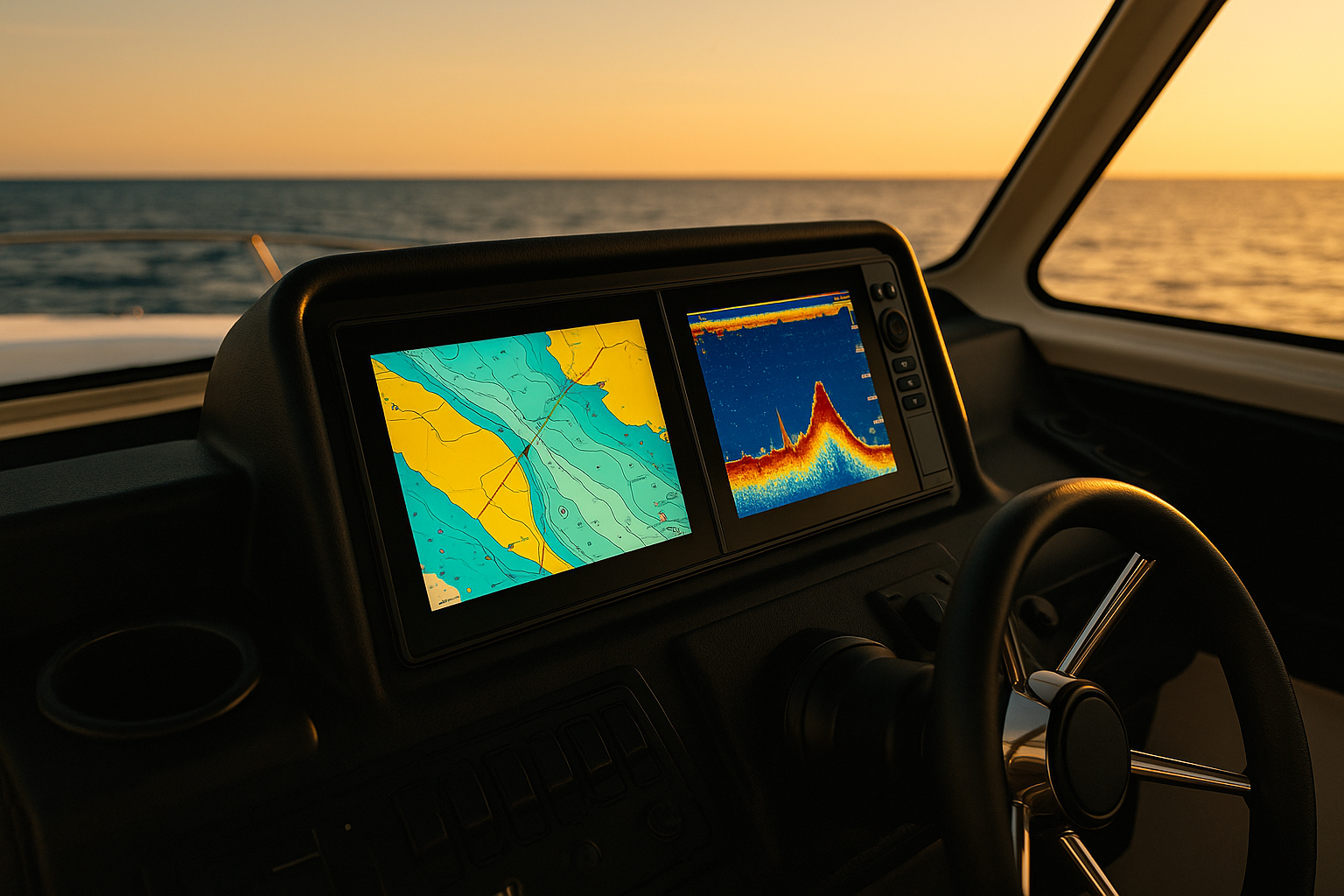
- Depth finder or chartplotter
- Visual references or GPS anchor alarm
- Sharp knife accessible in emergencies
Understanding the Main Parts of an Anchor System
Anchor
The anchor grips the bottom and provides holding power.
Chain
Chain adds weight, improves the pull angle, and helps the anchor stay dug in.
Rode
The rode is the total anchor line, usually chain plus nylon rope.
Scope
Scope is the ratio of rode deployed to water depth. For example, in 10 feet of water with 3 feet from bow to water, a 7:1 scope means about 91 feet of rode.
How to Choose the Right Anchor
Different anchors perform better in different bottoms. Here are common types we recommend boaters consider.
How to Anchor a Boat Safely: Step-by-Step
Follow these steps every time you anchor.
1. Check the Weather, Depth, and Bottom Type
Before approaching the spot, review wind strength, current, tide changes, and forecast conditions. Use your chartplotter, depth finder, and local knowledge to identify a safe anchorage and suitable bottom.
Safety note: Avoid anchoring in channels, traffic lanes, swim areas, or where changing tides could leave you grounded.
2. Calculate the Required Scope
Measure the total vertical distance from the bow cleat to the bottom, not just the water depth. Then multiply by your intended scope ratio.
- 5:1 scope for calm, short-term anchoring
- 7:1 scope for normal conditions
- More than 7:1 for stronger wind or rougher conditions
Example: If water depth is 12 feet and the bow is 3 feet above the water, total depth is 15 feet. At 7:1 scope, deploy 105 feet of rode.
Safety note: Too little scope is one of the most common reasons anchors drag.
3. Approach Slowly Into the Wind or Current
Bring the boat toward the chosen spot at idle speed, heading into whichever force is stronger: wind or current. This gives you better control and helps the boat settle back naturally once the anchor is lowered.
Safety note: Keep hands, feet, clothing, and loose gear clear of the anchor and rode.
4. Lower the Anchor—Do Not Throw It
When you reach the point where you want the anchor to land, lower it straight down from the bow. Let it touch bottom gently.
Do not throw the anchor overboard. Throwing can foul the rode, damage the boat, or cause the anchor to land improperly.
Safety note: Always anchor from the bow, not the stern, unless using a specialized setup in protected conditions. Stern anchoring in open water can increase the risk of swamping.
5. Pay Out Rode as the Boat Drifts Back
As wind or current moves the boat backward, steadily feed out the rode. Avoid dumping the entire line in a pile. Controlled payout helps the anchor lie correctly and begin setting.
Watch your scope markings if your rode is marked, or count out measured lengths.
Safety note: Never wrap rode around your hand or arm.
6. Snub the Rode and Set the Anchor
Once you have paid out enough rode, secure the line to a bow cleat. Then gently reverse the boat at low power to help the anchor dig in.
Increase reverse power gradually while watching for signs of dragging.
Signs the anchor is setting properly:
- The boat straightens and stops moving backward
- The rode becomes taut and steady
- Shore landmarks remain aligned
- GPS position stabilizes
Safety note: Apply reverse slowly. Sudden throttle can rip the anchor free before it sets.
7. Confirm the Boat Is Not Dragging
Use at least two methods to confirm your position:
- Pick visual landmarks and check whether they move relative to each other
- Monitor your chartplotter or GPS anchor alarm
- Feel the rode for vibration or jerking that may indicate dragging
- Recheck depth and swing room
If the boat continues to move, retrieve the anchor and try again.
Safety note: If the anchor drags repeatedly, move to a better bottom or use a different anchor type.
8. Secure the Rode Properly
Once satisfied the anchor is set, secure the rode on a cleat or through the proper anchoring hardware. Make sure the line is protected from chafe where needed.
For longer stays, continue checking position, wind changes, and nearby traffic.
Safety note: At night or during extended anchoring, use an anchor light and follow local navigation rules.
Common Anchoring Mistakes to Avoid
Even experienced boaters make mistakes. These are the big ones we recommend avoiding:
Using the Wrong Anchor
A grapnel on a larger boat or a fluke in heavy rock is a recipe for poor holding.
Not Using Enough Scope
Short scope often feels convenient, but it dramatically reduces holding power.
Anchoring Over Poor Bottom
Weeds, hard rock, or debris can prevent the anchor from digging in.
Failing to Set the Anchor
Simply dropping the anchor is not enough. You must confirm it has dug in.
Ignoring Wind and Tide Changes
A safe anchorage at noon may become exposed by evening.
Special Situations
How to Anchor Overnight
For overnight stays, we recommend:
- Using a conservative scope, often 7:1 or greater
- Setting an anchor alarm
- Checking forecast wind shifts
- Ensuring enough swing room from other boats and shore
- Inspecting chafe points on the rode
How to Anchor in Current
In strong current, boat position is often controlled more by current than wind. Approach into the current, lower the anchor carefully, and verify the anchor has set before relaxing.
How to Retrieve the Anchor Safely
Move the boat slowly toward the anchor while pulling in rode. Do not use engine power to yank the anchor loose from a distance. Once directly above it, a steady upward pull usually breaks it free.
Safety note: Keep crew communication clear during retrieval, especially near the bow.
What We Recommend When Buying Anchor Gear
When we researched anchor systems for recreational boaters, a few buying factors stood out.
Choose by Boat Size and Displacement
A heavier boat needs more holding power. Always check manufacturer sizing charts.
Match the Bottom Conditions
If you boat mostly in sandy bays, a fluke anchor may be ideal. For mixed coastal bottoms, a plow or claw may be a better fit.
Do Not Skimp on Rode Quality
A good anchor can still fail if paired with undersized rope, too little chain, or worn hardware.
Consider Storage and Handling
A compact anchor may be more practical for small boats without dedicated bow rollers.
FAQ
1. What is the safest scope for anchoring?
In normal conditions, 7:1 is a strong rule of thumb. In calm weather, 5:1 may work. In rough weather or overnight situations, more scope is usually safer if space allows.
2. Should we anchor from the bow or stern?
We recommend anchoring from the bow in almost all situations. Bow anchoring keeps the boat oriented more safely to wind and waves.
3. How do we know if the anchor is dragging?
Check fixed landmarks, monitor GPS position, and watch whether the boat keeps moving after you set the anchor in reverse.
4. What anchor is best for sand and mud?
A fluke/Danforth anchor is often one of the best choices for sand and mud, especially for small to mid-size recreational boats.
5. Can we anchor without chain?
You can on some small boats, but we generally recommend at least some chain because it improves the pull angle and helps the anchor set and hold more reliably.
Get your free Get Our Free Boat Gear Checklist
The essential marine gear list every boater should have before hitting the water.
Final Thoughts
Learning how to anchor a boat safely comes down to using the right gear, choosing the right spot, deploying enough scope, and confirming the anchor is truly set. We researched the most reliable anchoring practices used by experienced boaters, and the takeaway is simple: slow down, stay methodical, and never assume the anchor is holding until you verify it.
Final Thoughts
Learning how to anchor a boat safely comes down to using the right gear, choosing the right spot, deploying enough scope, and confirming the anchor is truly set. We researched the most reliable anchoring practices used by experienced boaters, and the takeaway is simple: slow down, stay methodical, and never assume the anchor is holding until you verify it.
2.48★★★★★ (430)Check Price on Amazon →With the right anchor setup and a consistent routine, anchoring becomes safer, easier, and far less stressful every time you head out on the water.