How to Measure, Choose, and Install a Bimini Top on Your Boat

Salem Hassan founded Travelcamp RV and brings 30+ years of hands-on RV, marine, and powersports retail experience to every review.
✎ Reviewed by Salem Hassan — Founder, Travelcamp RV · 30+ years in RV, marine, and powersports retail
Why trust us
TopBoatGear articles are researched by the Searchshop Editorial team using manufacturer specs, marine industry sources, and feedback from hands-on boaters. Our standard is saltwater first — if a product is not rated or proven for marine environments, we say so. We may earn a commission on qualifying purchases; it does not change what we recommend. If a product fails in saltwater, the article changes.
🛠 What you'll need
-
 Check Price on Amazon →Leader Accessories 10 Colors 3 Bow 4 Bow Bimini Top Cover for Boat Includes 4 Straps 2 Rear Support Poles Mounting Hardwares Storage Boot with 1" Aluminum Frame$164.99★★★★★ (4,727)
 -
 Check Price on Amazon →How Boat Things Work: An Illustrated Guide$12.48★★★★★ (430)
 -
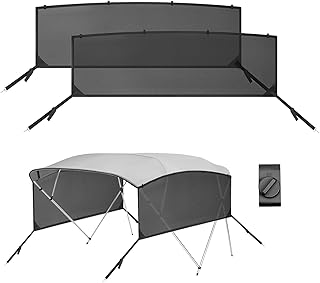 Check Price on Amazon →Detachable Clip in Bimini Top Mesh Sidewalls, Boat Sun Shade Universal Fit for 4 Bow Bimini Tops, with Straps Clips (Bimini Tops Not Included)$59.99★★★★★ (57)
 -
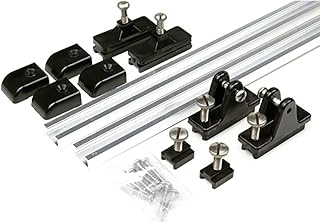 Check Price on Amazon →Boating Accessories CSR Slide Track KIT - 24" - 1PR/PK$42.75★★★★☆ (12)
How to Measure, Choose, and Install a Bimini Top on Your Boat
If you’re shopping for shade on the water, learning how to measure and install bimini top correctly is the most important first step. A Bimini top that fits well will improve comfort, protect passengers from sun exposure, and hold up better in wind and chop. We researched the most important sizing rules, hardware options, and installation best practices so you can choose the right top with confidence and mount it safely.
Comparison Table

| Product Type | Best For | Frame Material | Typical Bow Count | Main Pros | Main Cons |
|---|---|---|---|---|---|
| Budget 3-Bow Polyester Top | Small runabouts, occasional use | Aluminum | 3 | Affordable, easy to find, lightweight | Less durable fabric, lighter hardware |
| Mid-Range 3-Bow Marine-Grade Top | Family boats, pontoons, regular use | Aluminum | 3 | Better UV resistance, improved hardware, good value | Not as rigid as stainless options |
| Premium 4-Bow Acrylic Top | Larger boats, frequent use | Stainless steel or heavy-duty aluminum | 4 | More coverage, stronger frame, better fade resistance | Higher cost, more complex install |
| Pontoon-Specific Bimini Top | Pontoon boats | Aluminum | 4 | Wide coverage, model-friendly fit options | Less universal across boat types |
Budget 3-Bow Polyester Top
Pros
- Lower upfront cost
- Widely available in many widths
- Good for seasonal or occasional boaters
Cons
- Fabric may fade faster
- Hardware can be basic
- Less ideal for heavy wind exposure
Mid-Range 3-Bow Marine-Grade Top
Pros
- Strong balance of cost and durability
- Better stitching and fittings
- Suitable for many common recreational boats
Cons
- Still may require upgraded straps or hardware over time
- Coverage may be limited on larger cockpits
Premium 4-Bow Acrylic Top
Pros
- Excellent sun coverage
- Better long-term fabric performance
- Stronger frame options available
Cons
- More expensive
- Heavier and more involved to install
- May need more storage room when folded
Pontoon-Specific Bimini Top
Pros
- Designed for wide decks
- Good passenger shade coverage
- Often easy to match to pontoon layouts
Cons
- Not ideal for V-hull boats
- Fit can still vary by railing and fence design
Key Takeaways
- Measure width, height, and length before you buy.
- Bimini width is based on the mounting point width, not just the widest point of the boat.
- Choose marine-grade aluminum or stainless steel frames and UV-resistant fabric.
- Install deck hinges on solid mounting surfaces and seal fastener holes properly.
- Always confirm clearance for windshield, rod holders, and engine movement before drilling.
Why a Properly Fitted Bimini Top Matters

A Bimini top does more than provide shade. It helps reduce heat, protects upholstery from UV damage, and makes long days on the water more comfortable. But a poor fit can create flapping fabric, weak support, and hardware stress. That’s why we recommend treating measurement and installation as a system: the frame size, fabric quality, mounting location, and support hardware all need to work together.
How to Measure a Bimini Top
To understand how to measure and install bimini top correctly, start with the three core dimensions: width, height, and length.
1. Measure the Width
Width is measured at the points where the Bimini’s deck hinges will mount, usually on the port and starboard gunwales.
- Use a tape measure to find the distance between the mounting points.
- Most Bimini tops are sold in width ranges, such as 67–72 inches or 79–84 inches.
- Choose the range that matches your mounting width.
2. Measure the Height
Height is measured from the mounting point upward to the desired top height.
- Sit or stand where passengers will be under the top.
- Decide whether you want maximum headroom or a lower, sleeker profile.
- Measure vertically from the mounting surface to the desired canopy height.
For center console and fishing boats, we often recommend checking that the top won’t interfere with casting, electronics, or leaning posts.
3. Measure the Length
Length refers to how much fore-and-aft coverage you want.
- Typical lengths are 5-foot, 6-foot, or 8-foot tops.
- Measure the cockpit area you want shaded.
- Make sure the top won’t block doors, hatches, or windshield movement.
4. Check Clearance and Mounting Surface
Before buying, confirm:
- Windshield clearance when folded and deployed
- Access to rod holders and cleats
- Outboard engine tilt clearance if the top extends aft
- Solid backing under mounting points
How to Choose the Right Bimini Top
Not all Bimini tops are built the same. Material quality, frame construction, and hardware matter just as much as size.
Frame Material
Aluminum
- Lightweight
- Corrosion-resistant
- More affordable
- Good for most recreational boats
Stainless Steel
- Stronger and more rigid
- Better for rougher conditions and heavy use
- More expensive
- Typically heavier than aluminum
Fabric Type
Look for marine-grade fabrics with:
- UV resistance
- Water resistance
- Mildew resistance
- Colorfast performance
Polyester is common in budget and mid-range tops, while premium acrylic fabrics usually offer better long-term fade resistance.
Number of Bows
The bows are the frame arches supporting the canopy.
- 2-bow tops: compact, light-duty coverage
- 3-bow tops: common for runabouts and small fishing boats
- 4-bow tops: better for larger cockpits and wider shade coverage
Hardware Quality
We recommend stainless steel or reinforced nylon fittings from reputable marine brands. Cheap hardware is often the first failure point.
Bimini Top Buyer’s Guide
Below is a comparison of common Bimini top categories to help narrow your choice.
Tools and Supplies You’ll Need
Before installation, gather the following:
- Tape measure
- Pencil or masking tape for marking
- Drill and bits
- Screwdriver or socket set
- Marine sealant
- Mounting hardware
- Backing plates or washers if needed
- Safety glasses
- A helper for alignment
How to Install a Bimini Top
Follow these steps carefully for a secure installation.
Safety Notes Before You Start
- Work on a stable trailer or lift, not while the boat is in motion.
- Wear eye protection when drilling.
- Check beneath mounting areas for wiring, fuel lines, and hoses.
- Never mount hardware into weak fiberglass without proper reinforcement.
1. Assemble the Frame
Lay out all parts and compare them to the manufacturer’s instructions.
- Identify the front and rear bows
- Attach fittings loosely at first
- Confirm the canvas orientation before tightening
2. Position the Top on the Boat
With a helper, hold the assembled frame in the intended mounting location.
- Center it side to side
- Confirm desired shade coverage
- Check folded and open positions
This is the stage where small adjustments prevent major drilling mistakes.
3. Mark the Deck Hinge Locations
Once the frame is centered and the height looks right:
- Mark both deck hinge locations
- Double-check symmetry from port to starboard
- Verify windshield and seating clearance again
4. Drill Pilot Holes
Use the correct drill bit for your hardware.
- Start with small pilot holes
- Drill slowly to avoid chipping gelcoat
- If drilling fiberglass, consider using masking tape over the area first
Safety note: Stop immediately if you encounter hidden wiring, voids, or unexpected resistance.
5. Apply Marine Sealant
Before fastening the hinges:
- Add a marine sealant to each hole
- Seal around fasteners to help prevent water intrusion
This is especially important on fiberglass boats where moisture intrusion can cause long-term issues.
6. Install the Deck Hinges
Fasten the deck hinges securely.
- Use backing washers or plates where possible
- Tighten evenly without overtightening
- Confirm each hinge sits flush
7. Attach the Main Frame
Connect the Bimini frame to the mounted hinges.
- Insert pins or bolts as directed
- Raise the top into position
- Check that the frame pivots smoothly
8. Install Rear Support Straps or Support Poles
Most tops use straps or rigid rear support poles.
- Extend the top fully
- Tension the straps evenly on both sides
- Mark and mount strap eyelets in solid locations
The canopy should be taut, but not overstretched.
9. Final Tightening and Inspection
Once everything is aligned:
- Tighten all hardware
- Inspect for fabric sagging or uneven tension
- Fold and deploy the top several times
10. Water-Test and Recheck Hardware
After your first outing:
- Reinspect all fasteners
- Retighten if needed
- Look for any shifting, rattling, or rubbing points
Common Mistakes to Avoid
Buying by Boat Length Alone
Boat length does not determine Bimini size by itself. Width at the mounting point and desired coverage matter more.
Mounting Too Far Forward or Aft
A top placed poorly can interfere with visibility, seating, or engine clearance.
Ignoring Backing Support
Thin fiberglass or aluminum surfaces may need backing plates for strength.
Overtightening Hardware
Too much force can crack fittings, strip screws, or damage fiberglass.
Maintenance Tips for Longer Bimini Life
A quality Bimini top lasts longer with basic care.
Clean the Fabric Regularly
Use mild soap, water, and a soft brush. Avoid harsh bleach unless the manufacturer specifically allows it.
Rinse Hardware After Saltwater Use
Salt accelerates corrosion, even on marine-grade components.
Store the Top Properly
When trailering or running at higher speeds, follow the manufacturer’s guidance on whether the top should be folded or removed.
Inspect Straps and Stitching
Check for UV wear, fraying, and loose seams at the start of each season.
FAQ
What size Bimini top do I need for my boat?
You need the correct width range, height, and length based on where the deck hinges will mount and how much cockpit shade you want.
Can I install a Bimini top by myself?
It’s possible, but we recommend having a helper. Aligning the frame and marking hinge locations is much easier and more accurate with two people.
Is aluminum or stainless steel better for a Bimini frame?
Aluminum is lighter and more affordable, while stainless steel is stronger and better for heavier use or rougher conditions.
How tight should Bimini straps be?
They should be snug enough to keep the canopy taut without bending the frame or overstressing the fabric.
Can I trailer my boat with the Bimini top up?
In most cases, no. Always follow the manufacturer’s recommendations. Many tops should be folded down or removed before trailering.
Get your free Get Our Free Boat Gear Checklist
The essential marine gear list every boater should have before hitting the water.
Final Recommendation
If you want the best results, focus first on accurate measurements, then choose the strongest frame and best fabric your budget allows. For most recreational boaters, a mid-range 3-bow marine-grade top offers the best balance of value, durability, and ease of installation. For larger boats or frequent sun exposure, we recommend stepping up to a premium 4-bow setup with upgraded fabric and hardware.
When learning how to measure and install bimini top, the biggest advantage comes from planning before drilling. Measure carefully, confirm clearances, use proper marine sealant, and mount only to solid surfaces. Done right, a Bimini top is one of the most useful comfort upgrades you can add to your boat.