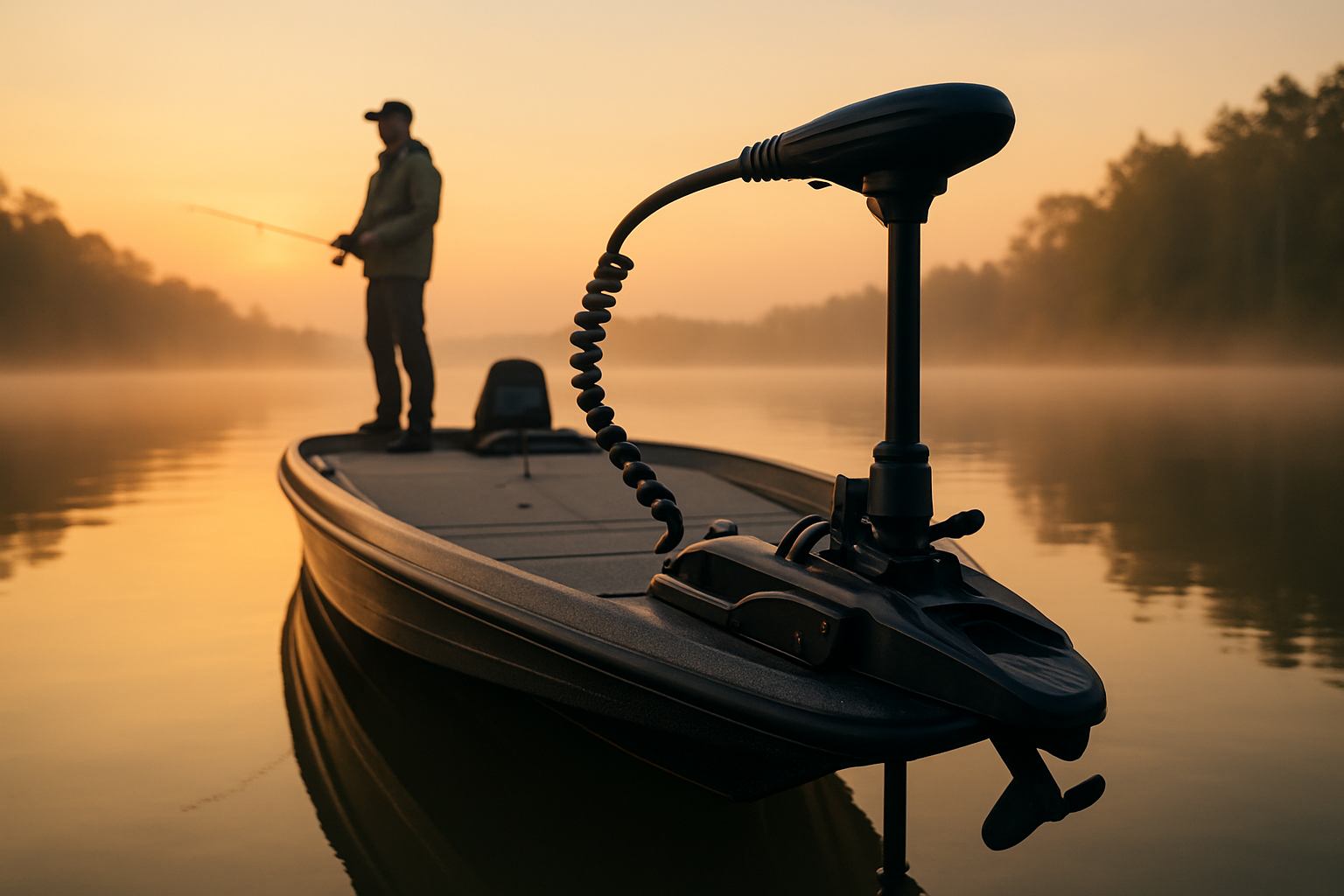
How to Organize Your Tackle Box Like a Tournament Pro

Salem Hassan founded Travelcamp RV and brings 30+ years of hands-on RV, marine, and powersports retail experience to every review.
✎ Reviewed by Salem Hassan — Founder, Travelcamp RV · 30+ years in RV, marine, and powersports retail
Why trust us
TopBoatGear articles are researched by the Searchshop Editorial team using manufacturer specs, marine industry sources, and feedback from hands-on boaters. Our standard is saltwater first — if a product is not rated or proven for marine environments, we say so. We may earn a commission on qualifying purchases; it does not change what we recommend. If a product fails in saltwater, the article changes.
🛠 What you'll need
-
 Check Price on Amazon →PLUSINNO Fishing Lures, All-in-One Fishing Tackle Box with Tackle Included, Fishing Gear Lure Bait Accessories Kit for Freshwater Bass Trout, Ideal Fishing Gifts for Men, Father & Beginners$10.97★★★★☆ (12,034)
 -
 Check Price on Amazon →BONEHEAD TACKLE Tackle Pack/PRO Tournament / 144 Piece$50.68
 -
 Check Price on Amazon →PLUSINNO Tackle Box Organizer, 1/2 Packs Waterproof Tackle Trays, Fishing Tackle Box with Removable Dividers, Fishing Box Tackle Trays and Terminal Tackle Storage$19.99★★★★★ (258)
 -
 Check Price on Amazon →Reaction Tackle Ultimate Tackle Box Trays: Boxes to Organize and Store in Your Fishing Tackle Bag! For Anglers on The Go - 3600 Tackle Tray and 3700 Tackle Trays - Plastic Storage Tackle Box Conatiner$33.98★★★★☆ (495)
How to Organize Your Tackle Box Like a Tournament Pro
If you want to know how to organize tackle box efficiently, the goal is simple: keep every lure, hook, weight, and tool easy to find, protected from damage, and ready for the conditions you’ll face on the water. Tournament anglers do not waste time digging through clutter. We researched the best tackle storage methods and practical gear options so we can build a system that is fast, reliable, and easy to maintain trip after trip.
Key Takeaways
- Sort tackle by category, season, and fishing technique.
- Use clear utility trays with labeled compartments.
- Keep sharp items, soft plastics, and terminal tackle separated.
- Store only what you need for the day in your main box or bag.
- Dry and inspect gear after every trip to prevent rust and damage.
Buyers Guide: Best Tackle Storage Options

Choosing the right storage system makes organization easier. We researched common tackle storage styles that fit most anglers.
Comparison Table
| Product Type | Best For | Main Advantages | Drawbacks | Ideal User |
|---|---|---|---|---|
| Utility Tray Box System | Hard baits and terminal tackle | Clear compartments, stackable, easy to label | Can rattle lures, less flexible for bulky items | Boat and bank anglers |
| Soft Tackle Bag with Trays | All-around versatility | Portable, extra pockets, holds trays and tools | Fabric can absorb moisture, heavier when overloaded | Multi-species anglers |
| Waterproof Tackle Backpack | Mobile fishing trips | Hands-free carry, great for bank and kayak use | Access can be slower than open-top bags | Shore and kayak anglers |
| Terminal Tackle Organizer | Small components | Excellent compartment control, prevents mixing | Limited use beyond small tackle | Precision-focused anglers |
| Soft Plastic Binder | Plastics storage | Keeps bags flat and organized, protects labels | Not ideal for hard baits or tools | Bass and inshore anglers |
1. Utility Tray Box System
A classic choice for anglers who want structure and visibility.
Pros:
- Easy to sort by lure type
- Clear lids make identification quick
- Works well in boats and storage lockers
Cons:
- Bulky if you carry several trays
- Treble-hook lures can tangle if compartments are too large
2. Soft Tackle Bag with Trays
A tackle bag combines tray storage with pockets for tools, line, and accessories.
Pros:
- Flexible for different trip lengths
- Good balance of storage and portability
- Simple to customize with labeled trays
Cons:
- Easy to overpack
- Fabric requires more drying and care after wet trips
3. Waterproof Tackle Backpack
A strong option for anglers who walk long distances or fish from shore.
Pros:
- Comfortable for carrying gear hands-free
- Better weather resistance than standard bags
- Often includes rod holders and tool loops
Cons:
- Can be awkward to access quickly
- Tall designs may encourage carrying too much gear
4. Terminal Tackle Organizer
These compact organizers are ideal for hooks, sinkers, snaps, and swivels.
Pros:
- Keeps tiny items separated
- Makes restocking easier
- Reduces wasted time searching for sizes
Cons:
- Limited to small tackle items
- Tiny compartments can be tedious for gloved hands
5. Soft Plastic Binder
A dedicated binder is one of the best ways to protect and sort plastics.
Pros:
- Preserves original bait packaging
- Great for organizing by style and color
- Easy to carry as a supplemental system
Cons:
- Not useful for most hard tackle
- Can become heavy when fully loaded
Why Tackle Box Organization Matters
A messy tackle box costs us time, money, and fish. When gear is mixed together, hooks dull faster, soft plastics can melt or bleed color, and terminal tackle gets lost in the shuffle. Good organization helps us:
- Find the right bait quickly
- Protect expensive lures and tools
- Reduce clutter on the boat or dock
- Fish more safely around sharp hooks and knives
- Restock efficiently before the next trip
The best systems are not necessarily the biggest. They are the ones that match how and where we fish.
Step-by-Step: How to Organize Your Tackle Box Efficiently

1. Empty Everything Out
Start with a full reset. Remove every lure, spool, hook pack, weight, and tool from your current tackle box, bag, or trays.
This gives us a clear picture of what we actually own and what we no longer need.
Safety note: Place all hooks and sharp tools on a stable surface away from children and pets. If possible, wear puncture-resistant fishing gloves while handling loose trebles.
2. Sort Tackle Into Main Categories
Create broad groups first. We recommend these core categories:
- Hard baits: crankbaits, jerkbaits, topwaters
- Soft plastics: worms, craws, swimbaits, trailers
- Terminal tackle: hooks, swivels, snaps, jig heads, weights
- Line and leader materials
- Tools: pliers, cutters, hook remover
- Seasonal or specialty items: ice jigs, surf rigs, trolling gear
Once grouped, it becomes much easier to decide what deserves dedicated storage.
3. Remove Damaged, Rusted, or Unused Gear
Tournament-level organization is also about discipline. If a lure has rusted hooks, a cracked bill, or missing hardware, either repair it or remove it. The same goes for bent hooks, frayed leaders, and half-empty packages of terminal tackle that are no longer usable.
We recommend keeping a small discard pile and a separate repair pile.
Safety note: Dispose of damaged hooks and blades in a puncture-proof container, not loose in the trash.
4. Assign Storage by Function, Not Just by Size
A common mistake is stuffing tackle into trays wherever it fits. Pros organize by how gear is used.
For example:
- One tray for moving baits
- One tray for bottom-contact baits
- One tray for terminal tackle
- One binder or soft compartment for plastics
- One quick-access pocket for tools and line cutters
This layout reduces decision fatigue and helps us grab the right setup fast.
5. Separate Soft Plastics Carefully
Soft plastics need extra attention. Some materials react with others, and scented baits can leak. Keep soft plastics:
- In original packaging when possible
- Grouped by style and size
- Stored flat to prevent warping
- Away from direct heat and sunlight
Do not mix different plastic formulations in the same loose bin unless the manufacturer specifically says it is safe.
6. Use Small Compartments for Terminal Tackle
Hooks, weights, beads, snaps, and swivels should live in compact boxes with adjustable dividers or fixed micro-compartments.
We recommend separating terminal tackle by:
- Hook style
- Hook size
- Weight type
- Weight size
- Freshwater vs. saltwater use
Labeling matters here. A simple sticker or waterproof marker can save a lot of frustration on the water.
7. Build a “Day Box” for Each Trip
One of the smartest tournament habits is carrying only what the day requires. Instead of bringing every lure you own, preload a smaller tray or sling bag with tackle matched to:
- Target species
- Water clarity
- Season
- Weather
- Depth and structure
This keeps your deck, kayak, or pier setup cleaner and more efficient.
8. Put Frequently Used Items Within Easy Reach
Your pliers, line snips, scale, leader spool, and go-to baits should be the easiest items to access. Store them in top compartments, front pockets, or external tool holders.
Less-used backup gear can go deeper in the bag or in secondary trays.
9. Label Everything
Even a simple system fails if we cannot identify trays quickly. Use labels such as:
- Topwater
- Jigs
- Finesse Plastics
- Terminal Tackle
- Saltwater Leaders
- Trout Spinners
Clear labels are especially useful if multiple anglers share gear.
10. Dry, Clean, and Reset After Every Trip
The final step is what keeps the whole system working. After each outing:
- Open trays and let them air dry
- Wipe down wet lures and tools
- Check for rust or tangled hooks
- Refill any low terminal tackle compartments
- Return misplaced items to their assigned spots
Safety note: Never store wet tackle in a sealed box for long periods. Moisture leads to corrosion, mold, and stuck latches.
Best Tackle Box Layouts by Fishing Style
Bank Fishing
For bank anglers, mobility matters most. We recommend a compact backpack or shoulder bag with:
- Two to four utility trays
- One plastics compartment
- External water bottle pocket
- Tool attachment points
Keep weight low and focus on versatile baits.
Boat Fishing
Boat anglers can carry more, but space still matters. Use stackable trays or a larger tackle bag with dedicated modules for species or techniques. Keep the most-used tray near the casting deck and reserve backup gear for storage compartments.
Kayak Fishing
In kayaks, waterproofing and compact access are critical. Choose slim trays that fit under the seat or in a crate, and avoid overpacking. A small crate system with labeled boxes works very well.
Common Tackle Box Organization Mistakes
Overpacking
More gear does not always mean better fishing. Too much tackle slows us down and makes it harder to find what we need.
Mixing Wet and Dry Gear
Moisture is one of the fastest ways to ruin hooks, split rings, and tools.
Ignoring Labels
If every tray looks the same, organization breaks down quickly.
Storing “Just in Case” Items in Prime Space
Keep rarely used gear in backup storage, not in your main access compartments.
Maintenance Tips for Long-Term Efficiency
Rotate by Season
Before spring, summer, fall, and winter, review your tackle and bring seasonal baits forward.
Check Hook Sharpness
A well-organized box should also contain ready-to-fish gear. Replace or sharpen dull hooks as needed.
Refresh Leaders and Line
Old fluorocarbon, leader spools, and pre-tied rigs should be checked regularly for wear and UV damage.
FAQ
What is the best way to organize a tackle box?
The best method is to sort tackle by function and fishing style, then store it in labeled trays or compartments. We recommend separating hard baits, plastics, terminal tackle, and tools so each category is easy to access.
How do we organize soft plastics without damaging them?
Keep them in original bags whenever possible, group them by bait type and size, and store them flat in a binder or dedicated compartment. Avoid mixing different plastics loosely together.
How often should we clean out a tackle box?
A quick reset after every trip is ideal, with a full cleanout every season. This helps prevent rust, clutter, and duplicate purchases.
Should hooks and weights be stored together?
It is better to separate them into divided compartments. This prevents tangles, protects hook points, and makes it easier to find the exact size you need.
What tackle storage is best for bank fishing?
For most bank anglers, we recommend a compact backpack or soft tackle bag with a few utility trays, a plastics section, and easy-access tool storage.
Get your free Get Our Free Boat Gear Checklist
The essential marine gear list every boater should have before hitting the water.
Final Thoughts
Learning how to organize tackle box efficiently is less about buying more storage and more about building a system we can maintain. The best tournament-style setup is simple: sort by purpose, carry only what fits the trip, protect gear from moisture, and reset after every outing.
Final Thoughts
Learning how to organize tackle box efficiently is less about buying more storage and more about building a system we can maintain. The best tournament-style setup is simple: sort by purpose, carry only what fits the trip, protect gear from moisture, and reset after every outing.
0.97★★★★☆ (12,034)Check Price on Amazon →When we stay disciplined, our tackle works better, lasts longer, and helps us spend more time fishing instead of searching through clutter. That is the real advantage of organizing like a pro.