How to Organize Your Fishing Tackle Like a Pro

Alana Azzouz is a Senior Editor at Searchshop Media Network with over a decade of experience in consumer content quality and editorial standards. She has reviewed thousands of product guides, buying articles, and comp…
✎ Reviewed by Alana Azzouz — Senior Editor
Why trust us
TopBoatGear articles are researched by the Searchshop Editorial team using manufacturer specs, marine industry sources, and owner feedback. Our goal is simple: when a boater searches for gear, the recommendations they read online should match what a knowledgeable dealer or experienced owner would actually suggest. We may earn a commission on qualifying affiliate purchases; it doesn't influence what we recommend — if a product changes or a better option comes along, the article changes too.
Why Tackle Organization Matters

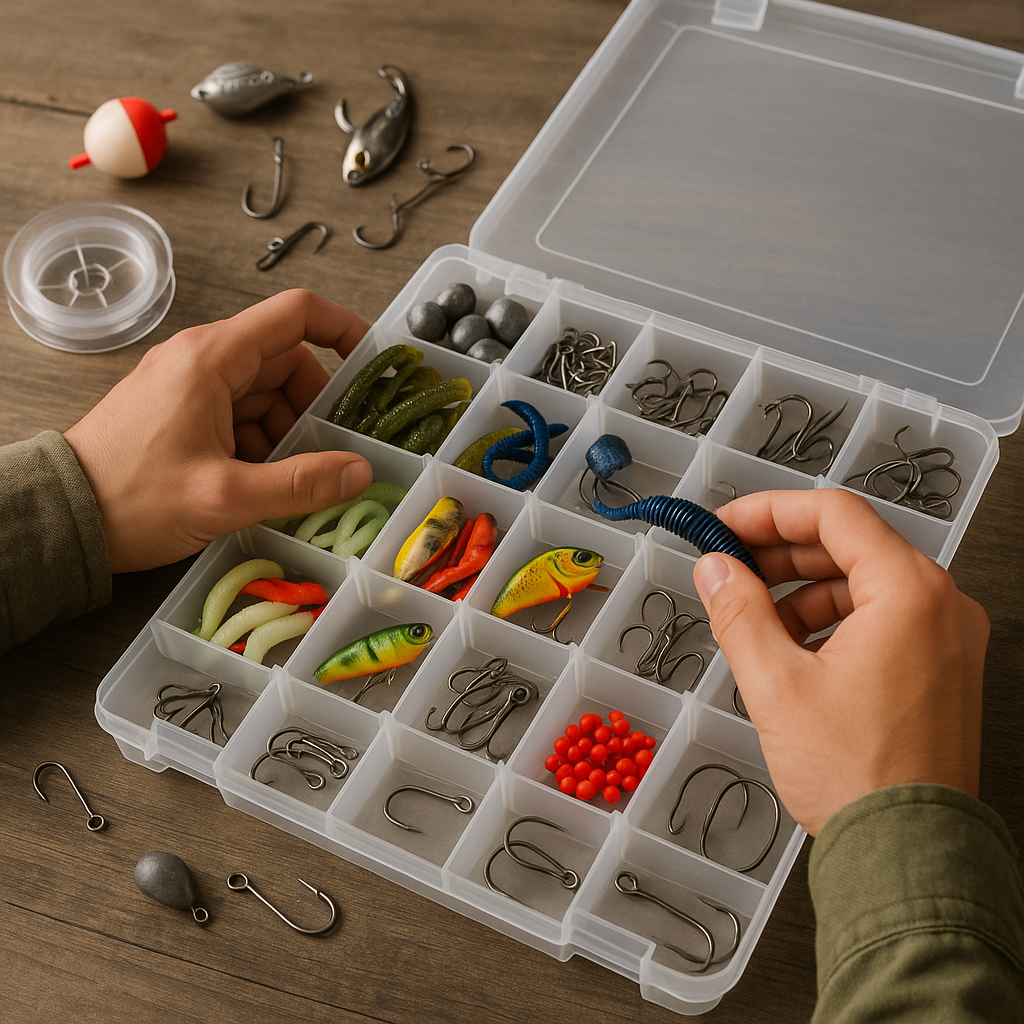
If we've ever spent the first 20 minutes of a trip digging for the right jig head or untangling hard baits, we already know why learning how to organize fishing tackle matters. A solid system helps us find gear faster, avoid rust and damage, reduce duplicates, and keep our boat safer and less cluttered. The goal is simple: every lure, hook, weight, and tool should have a clear place.
At TopBoatGear, we prefer tackle systems that work both on the boat and in the garage. The best setups are easy to maintain, resistant to moisture, and flexible enough for changing seasons and target species.
Top Storage Picks We Recommend
Even in a how-to guide, the right storage gear makes a big difference. Below are a few proven tackle-organization options we recommend for boaters and anglers.
| Product | Best For | Key Strength | Main Drawback |
|---|---|---|---|
| Plano Edge 3700 | Terminal tackle and hard baits | Excellent sealing and rust protection | Premium price |
| Flambeau Zerust Utility Box | Value-minded anglers | Good anti-rust performance for the money | Latches feel less premium |
| KastKing Bait Binder | Soft plastic storage | Compact, easy to sort by bait type | Not ideal for hard baits |
| Wild River Tackle Tek Bag | Boat-and-bank versatility | Holds trays plus tools in one system | Can get heavy when fully loaded |
1. Plano Edge 3700
Pros
- Strong gasket seal
- Smart divider system
- Great for expensive terminal tackle and lures
Cons
- Costs more than standard boxes
- Overkill for low-value bulk items
2. Flambeau Zerust Utility Box
Pros
- Affordable
- Anti-rust technology works well in humid conditions
- Available in multiple sizes
Cons
- Not as refined as premium boxes
- Some small tackle can shift if overpacked
3. KastKing Bait Binder
Pros
- Excellent for keeping plastics in original bags
- Easy to label and sort
- Packs neatly into boat compartments
Cons
- Limited use outside soft baits
- Can become bulky if overloaded
4. Wild River Tackle Tek Bag
Pros
- Combines trays, pockets, and tool storage
- Great for anglers who move between boat, dock, and shore
- Keeps everything centralized
Cons
- Heavier than a tray-only setup
- Requires discipline to avoid overpacking
Materials You'll Need

Before we start, gather these basic tackle-organization supplies:
- Clear utility boxes in multiple compartment sizes
- Waterproof labels or a label maker
- Permanent marker
- Soft bait binders or zip pouches
- Rust inhibitor tabs or desiccant packs
- Small zip bags for terminal tackle
- A dedicated tool holder for pliers, scissors, and line cutters
- Storage bins or shelves for backup inventory at home
- A trash bag for old packaging and damaged tackle
- Mild cleaner and dry cloth for wiping boxes and trays
Optional Upgrades We Recommend
- Color-coded boxes by species or technique
- Boat tackle bag with removable trays
- Magnetic parts tray for hooks and split rings during rigging
- Hook bonnets or lure wraps for treble-hook baits
- QR or written inventory list for restocking
Safety Tips Before You Begin
Tackle organization sounds harmless, but sharp hooks and loose weights can cause real injuries. We recommend a few simple precautions:
- Wear light gloves when sorting old treble-hook baits
- Keep hooks pointed down and separated during sorting
- Open one tray at a time to prevent spills
- Store knives and braid scissors in sheaths
- Keep lead weights away from children and wash hands after handling them
- Never leave loose hooks or sinkers on deck where someone can step on them
Step-by-Step: How to Organize Your Fishing Tackle Like a Pro
1. Empty Everything Into One Sorting Area
Start by pulling tackle from the boat, garage shelves, backpacks, and old boxes. We like to use a large table or clean floor space with shallow bins for sorting. Seeing everything at once makes it easier to spot duplicates, damaged gear, and items we forgot we owned.
What to Separate First
Create quick piles for:
- Hard baits n- Soft plastics
- Terminal tackle
- Line and leaders
- Tools
- Seasonal or specialty gear
- Trash or damaged items
If a lure is badly rusted, cracked, or missing hooks and not worth repairing, toss it. If it is still usable with minor work, place it in a repair pile.
2. Sort Tackle by Category, Then by Use
The biggest mistake we see is organizing only by lure type. That helps somewhat, but organizing by how we actually fish is more efficient.
For example, instead of one giant "soft plastics" box, split plastics into practical groups:
- Worms
- Craws and creature baits
- Swimbaits
- Trailers
- Ned and finesse plastics
Do the same for hard baits:
- Crankbaits by diving depth
- Jerkbaits by size or water temperature season
- Topwater by style
- Spinnerbaits and chatterbaits by weight and blade profile
Terminal tackle should be even more precise:
- EWG hooks
- Drop-shot hooks
- Worm weights
- Bullet weights
- Jig heads
- Swivels and snaps
- Split rings and spare trebles
This second layer of sorting is what makes a pro-level system feel fast on the water.
3. Build a “Boat Loadout” and a “Backstock” System
We do not recommend carrying every lure we own onto the boat. That creates clutter, adds weight, and makes finding gear harder.
Instead, split tackle into two systems:
Boat Loadout
This is the gear we expect to use on the next trip or during the current season. It should be compact, accessible, and focused.
Backstock Storage
This is our reserve tackle at home: extra packs of plastics, duplicate hard baits, bulk weights, spare line, and specialty gear.
A good rule is to keep only one active tray or binder of each key category on the boat, with replacements stored at home. That way, we stay organized without giving up options.
4. Choose the Right Storage for Each Tackle Type
Different tackle needs different storage. One box style does not fit everything.
Hard Baits
Use clear utility trays with adjustable dividers. Keep treble-hook lures separated enough to avoid tangles. For premium baits, lure wraps or hook covers help protect finishes and reduce hook snags.
Soft Plastics
Keep many soft plastics in their original bags to preserve scent and prevent chemical reactions. Then group those bags inside labeled binders or larger zip pouches by bait family.
Terminal Tackle
Use small compartment boxes with tight lids. Tiny hooks and tungsten weights migrate easily if compartments are loose, so quality matters here.
Tools
Pliers, forceps, braid scissors, scale, and hook files should live in one dedicated pouch or holder. We never mix tools loosely with lure trays.
Line and Leaders
Store extra spools in a dry, shaded compartment. Heat and sunlight shorten line life faster than most anglers realize.
5. Label Everything Clearly
Labels save more time than any fancy bag or box. We recommend labeling the front and top of each tray so we can identify it whether it's stacked on a shelf or packed in a boat compartment.
Useful label examples include:
- Crankbaits 0-6 ft
- Crankbaits 6-12 ft
- Finesse Terminal
- Topwater
- Swimbait Heads
- Spring Bass Loadout
- Inshore Redfish
If we fish for multiple species, color-coding helps too. For example, blue for freshwater bass, green for panfish, red for inshore saltwater.
6. Organize by Season, Species, or Technique
The best tackle system matches how we fish most often.
Best for Multi-Species Anglers
Create separate modules for bass, walleye, trout, or inshore use.
Best for Tournament or Dedicated Bass Anglers
Organize by technique: flipping, cranking, finesse, topwater, offshore structure, and so on.
Best for Casual Weekend Anglers
Build a simple all-purpose setup with a few trays:
- Terminal tackle
- Hard baits
- Soft plastics
- Tools and line
If we overcomplicate a casual setup, we usually stop maintaining it.
7. Protect Tackle From Rust and Moisture
Boat storage is hard on metal tackle. Humidity, splash, and wet hands all lead to corrosion.
We recommend these habits:
- Never put wet lures back into a sealed box for long-term storage
- Air-dry trays after each trip if they got damp
- Add desiccant packs or rust inhibitor tabs to metal-lure trays
- Rinse saltwater-exposed tackle with fresh water and dry it completely
- Replace rusted hooks early before they damage other gear
This step alone can save a surprising amount of money over a season.
8. Arrange Tackle for Fast Access on the Boat
Once boxes are sorted, think about where they live on board. The most-used tackle should be the easiest to reach.
We like this layout:
- Daily-use trays in the top of the tackle bag or nearest dry compartment
- Terminal tackle within arm's reach of the rigging area
- Tools clipped or tethered near the console or casting deck
- Backup trays lower in storage compartments
- Soft plastics upright in binders so bags do not spill out
The goal is to reduce rummaging. Every extra minute spent searching is time not fishing.
9. Create a Restocking Routine
A tackle system fails when we stop maintaining it. After each trip, spend 10 minutes resetting everything.
Our Simple Post-Trip Routine
- Remove wet trays and let them dry
- Return loose lures to the correct box
- Refill used hooks, weights, and jig heads from backstock
- Throw away torn soft-plastic bags and replace them
- Note what ran low before the next trip
That small habit keeps the system working all season.
Who It's For
This tackle-organization system works best for:
- Boat owners who want cleaner, safer storage compartments
- Bass and multi-species anglers carrying too much gear
- Weekend anglers tired of digging through mixed boxes
- Inshore anglers dealing with rust and salt exposure
- Anyone building a home backstock plus on-boat loadout
If we only carry a handful of lures from shore, a simple binder and one utility tray may be enough. But for serious boat setups, the full category-plus-loadout system is worth it.
Common Tackle Organization Mistakes to Avoid
A few errors can undo all our work:
- Mixing wet and dry tackle in sealed trays
- Carrying every lure we own on every trip
- Storing soft plastics loose where they bend or melt together
- Using unlabeled boxes that all look the same
- Ignoring damaged hooks, split rings, and rusty baits
- Letting terminal tackle compartments get mixed after a rough ride
When we avoid those mistakes, even a modest tackle collection feels much more professional.
Final Thoughts
Learning how to organize fishing tackle is less about buying more storage and more about building a repeatable system. We recommend sorting by category, narrowing down a trip-specific boat loadout, labeling clearly, and protecting tackle from moisture. Once that structure is in place, every trip gets easier: less clutter, faster rigging, and fewer lost baits.
At TopBoatGear, we've found that the best tackle organization is the one we can maintain in a few minutes after each outing. Keep it practical, keep it dry, and keep only what you need within reach.
FAQ
What is the best way to organize fishing tackle?
The best way is to sort tackle by category first, then by actual use, such as species, technique, or season. We also recommend separating boat-ready tackle from backup storage at home.
Should we keep soft plastics in original bags?
Yes. Many soft plastics should stay in their original bags to preserve scent, prevent drying out, and avoid chemical reactions with other baits.
How do we keep fishing tackle from rusting?
Dry tackle before long-term storage, use rust inhibitor tabs or desiccant packs, and rinse saltwater-exposed gear with fresh water. Avoid sealing wet lures in closed boxes.
How many tackle boxes should we bring on the boat?
Bring only what fits your target species and conditions for that trip. For most anglers, three to five focused trays plus a soft-plastic binder is plenty.
How often should we reorganize our tackle?
We recommend a quick reset after every trip and a full reorganization at least once per season, especially before spring or tournament season.
Get your free Get Our Free Boat Gear Checklist
The essential marine gear list every boater should have before hitting the water.