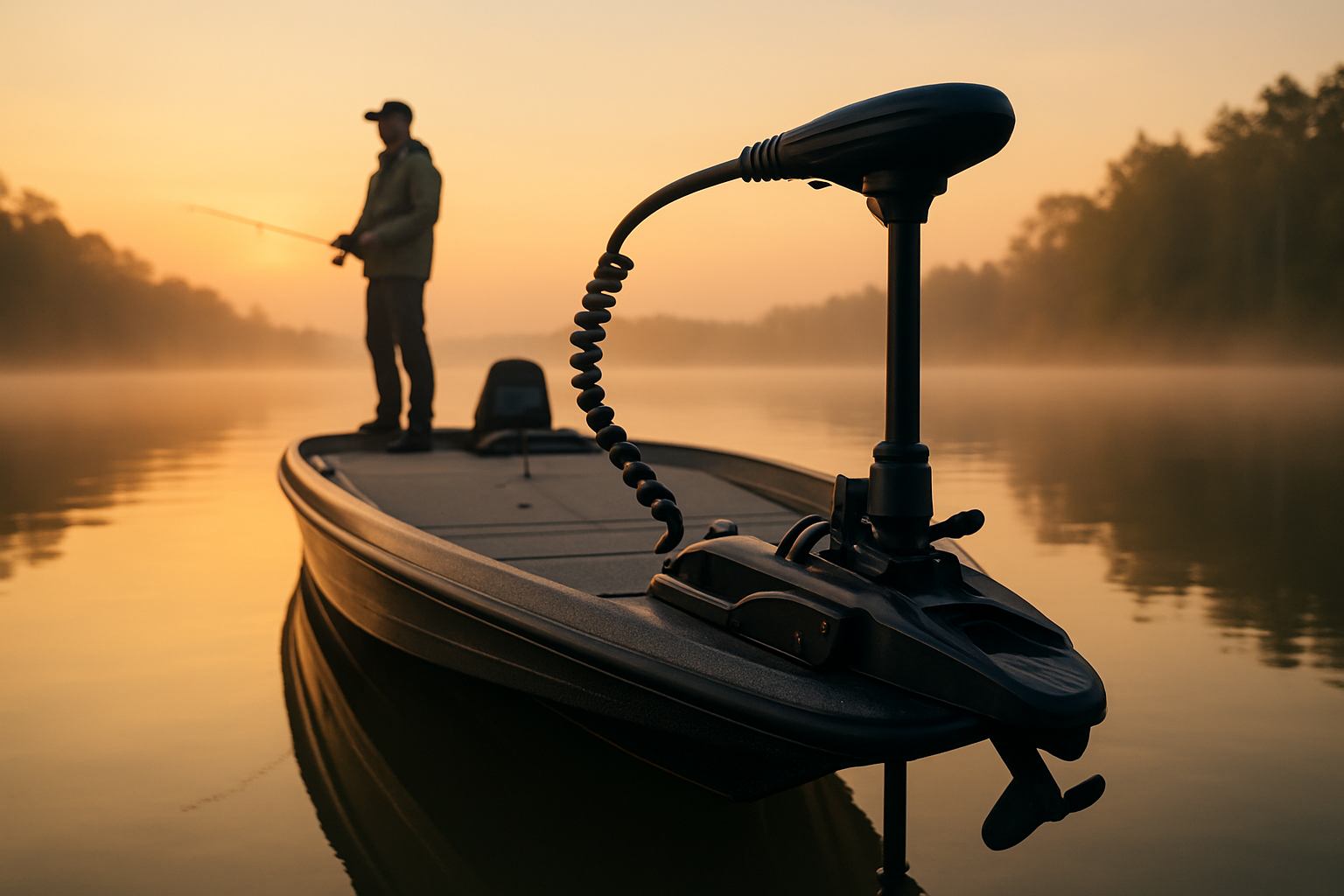
Inflatable Boat vs. Rigid Inflatable: Which Is Right for You?

Salem Hassan founded Travelcamp RV and brings 30+ years of hands-on RV, marine, and powersports retail experience to every review.
✎ Reviewed by Salem Hassan — Founder, Travelcamp RV · 30+ years in RV, marine, and powersports retail
Why trust us
TopBoatGear articles are researched by the Searchshop Editorial team using manufacturer specs, marine industry sources, and feedback from hands-on boaters. Our standard is saltwater first — if a product is not rated or proven for marine environments, we say so. We may earn a commission on qualifying purchases; it does not change what we recommend. If a product fails in saltwater, the article changes.
Inflatable Boat vs. Rigid Inflatable: Which Is Right for You?
When comparing an inflatable boat vs rigid inflatable, the right choice depends on how you boat, where you store your vessel, and how much performance you expect on the water. We researched the biggest differences between standard inflatable boats and rigid inflatable boats (RIBs) to help buyers sort through portability, durability, ride quality, maintenance, and cost.
If you want the short version: inflatable boats are usually lighter, easier to store, and more budget-friendly, while rigid inflatables offer better handling, speed, and all-around capability in rougher conditions.
Inflatable Boat vs. Rigid Inflatable Comparison
| Feature | Inflatable Boat | Rigid Inflatable Boat (RIB) |
|---|---|---|
| Portability | Excellent | Limited |
| Storage | Easy, compact | Requires dedicated space |
| Setup Time | Moderate | Minimal once launched |
| Ride Quality | Best in calm water | Better in chop and rougher water |
| Speed Potential | Moderate | Higher |
| Tracking and Handling | Fair to good | Very good to excellent |
| Durability Against Bottom Impact | Moderate | High |
| Load Carrying | Good for size | Better overall |
| Upfront Cost | Lower | Higher |
| Maintenance Complexity | Moderate | Moderate to high |
| Best For | Casual users, travelers, tenders | Frequent boaters, coastal use, performance |
Key Takeaways
Quick summary:
- Choose an inflatable boat if you want maximum portability, lower cost, and easy storage.
- Choose a rigid inflatable boat if you want stronger performance, better tracking, and more confidence in choppy water.
- For occasional fishing, tender duty, or vacation use, a standard inflatable often makes the most sense.
- For frequent boating, coastal runs, watersports, or heavier loads, a RIB is usually the better long-term investment.
What Is an Inflatable Boat?

A standard inflatable boat uses air-filled tubes as the main structure, paired with a soft floor, slatted floor, air deck, or lightweight removable floor system. These boats can often be deflated, packed, and transported in a car trunk, truck bed, or RV storage compartment.
They are popular for:
- Dinghy and tender use
- Casual lake boating
- Camping and travel
- Fishing in protected water
- Owners with limited storage space
The biggest appeal is convenience. Many buyers want a boat they can set up when needed and pack away when they are done.
What Is a Rigid Inflatable Boat?
A rigid inflatable boat, often called a RIB, combines inflatable tubes with a solid hull, usually fiberglass or aluminum. That rigid hull changes the experience dramatically. RIBs plane more efficiently, track better, carry loads more confidently, and generally provide a smoother ride in rougher water.
They are commonly used for:
- Coastal boating
- Search and rescue
- Yacht tenders
- Watersports
- Frequent fishing trips
- Commercial and professional marine use
Because of the rigid hull, a RIB cannot be packed down like a standard inflatable. It usually requires trailer storage, dock space, or dedicated off-season storage.
Inflatable Boat vs. Rigid Inflatable: Core Differences
Portability and Storage
This is often the deciding factor.
A standard inflatable boat is much easier to transport and store. If you live in an apartment, have a small garage, or travel often, this matters a lot. You can deflate many inflatables and store them in a bag.
A rigid inflatable needs more permanent space. Even compact RIBs usually require a trailer or rack system. That adds cost and logistics.
Performance on the Water
Rigid inflatables clearly have the edge here. Their solid hull helps them:
- Get on plane faster
- Handle turns better
- Track straighter
- Ride more smoothly in chop
- Support larger engines more safely
Standard inflatable boats can perform well in calm water, but they are generally not as stable at speed and may feel less precise when steering.
Durability
Both types can be durable, but durability depends on materials and use.
A quality inflatable boat made from PVC or Hypalon/CSM can last well with proper care. However, the floor and flexible structure are more vulnerable to puncture, abrasion, and wear over time.
RIBs benefit from a hard hull that resists bottom impact better than a soft-bottom inflatable. The tubes still require maintenance, but the overall structure is more robust for repeated use.
Comfort and Ride Quality
For short trips in calm water, a standard inflatable can feel stable and forgiving. But in chop or boat wake, the ride can become bouncy.
A RIB usually offers a more controlled and predictable ride. The hull cuts through water better and gives passengers a more secure feeling, especially at higher speeds.
Cost
Inflatable boats usually cost less upfront. They also may save money on storage and towing.
Rigid inflatables cost more because of the hull construction, hardware, and performance capability. You may also need:
- A trailer
- Registration and insurance considerations
- More storage space
- A larger outboard in some cases
That said, buyers who use their boat often may find the extra cost worthwhile.
Buyers Guide: Comparison Table
Pros and Cons by Boat Type
Inflatable Boat Pros
- Easy to deflate and store
- Usually more affordable
- Lightweight and easier to transport
- Great for occasional use
- Ideal for limited-space owners
Inflatable Boat Cons
- Less capable in rough water
- Slower and less precise handling
- More setup and breakdown time
- Soft structure can wear faster under heavy use
Rigid Inflatable Pros
- Better speed and handling
- Smoother, safer-feeling ride in chop
- Stronger hull for repeated use
- Better for heavier loads and longer outings
- More versatile for serious boating
Rigid Inflatable Cons
- Higher purchase price
- Requires trailer or fixed storage
- Less travel-friendly
- Heavier and harder to move manually
Which Boat Is Best for Your Needs?
Best for Travel and Easy Storage
We recommend a standard inflatable boat if your top priorities are portability and compact storage. This is often the best fit for campers, RV owners, occasional anglers, and boaters who do not want to pay marina or trailer storage fees.
Best for Performance and Frequent Use
We recommend a rigid inflatable if you boat regularly and want better control, speed, and confidence. If your outings include bays, inlets, larger lakes, or changing conditions, a RIB is usually worth the added cost.
Best for Fishing
For protected water, a standard inflatable can work very well, especially if stealth and portability matter. For larger lakes or coastal fishing, a RIB gives you better stability underway and more dependable handling.
Best as a Tender
Both can work, but the right choice depends on your mothership and storage arrangement. A packable inflatable is ideal if you need to stow it onboard. A RIB tender is ideal if you prioritize quick launches and better carrying ability.
How to Choose Safely: Step-by-Step
Choosing the right boat is not just about convenience. It is also about safe operation in the places you plan to use it.
1. Define Your Water Conditions
Think honestly about where you will boat most often: calm ponds, inland lakes, rivers, bays, or nearshore coastal water.
Safety note: Never buy based on occasional best-case conditions. Buy for the roughest conditions you are realistically likely to encounter.
2. Measure Your Storage Space
Check garage depth, trailer access, side-yard clearance, and whether your HOA or marina has restrictions.
Safety note: Poor storage leads to UV damage, tube wear, and unsafe transport practices.
3. Match the Boat to Your Passenger and Gear Load
Estimate your real-world load, including people, fuel, cooler, fishing gear, anchor, battery, and safety equipment.
Safety note: Overloading either type of boat reduces stability and can make handling dangerous.
4. Consider Launch and Transport Logistics
Ask whether you want to inflate at the ramp, lift a boat by hand, tow a trailer, or keep the boat ready to launch.
Safety note: Repeatedly dragging boats across rough surfaces can damage hulls and tubes. Use launch wheels, dollies, or proper trailer support when needed.
5. Review Engine Compatibility
Check maximum horsepower ratings and transom limits before buying a motor.
Safety note: Never exceed the manufacturer’s horsepower rating. Too much engine can compromise control and structural safety.
6. Budget for Ownership, Not Just Purchase Price
Include pump, life jackets, trailer, registration, repair kit, cover, and maintenance products.
Safety note: Essential safety gear should never be treated as optional. Plan for it from the start.
Materials Matter: PVC vs. Hypalon/CSM and Hull Choices
The inflatable tubes are a major factor in longevity.
PVC
PVC is common and affordable. It works well for many recreational users, especially those boating in moderate climates and storing the boat properly.
Hypalon/CSM
Hypalon/CSM generally offers better resistance to UV, heat, and chemical exposure. It often costs more, but serious boaters may appreciate the durability.
Fiberglass vs. Aluminum RIB Hulls
If you choose a rigid inflatable, hull material also matters.
Fiberglass Hulls
- Smooth ride
- Attractive finish
- Common in recreational RIBs
Aluminum Hulls
- Tough and impact-resistant
- Popular for utility and beaching use
- Often easier to maintain in rugged environments
Maintenance Expectations
No matter which style you choose, upkeep matters.
For inflatable boats, pay close attention to:
- Proper inflation pressure
- UV protection
- Dry storage
- Seam and valve inspection
- Patch readiness
For RIBs, add:
- Hull cleaning and inspection
- Trailer maintenance
- Hardware and console checks
- More extensive seasonal service routines
We recommend rinsing both boat types after saltwater use and storing them out of direct sun whenever possible.
Common Buying Mistakes to Avoid
Buying Too Small
A boat that technically fits your needs on paper may feel cramped once you add gear and passengers.
Ignoring Weight
Portable inflatables vary a lot in packed weight. Some are far heavier than buyers expect.
Underestimating Water Conditions
A calm-morning lake can become rough by afternoon. Choose a boat with enough capability for changing conditions.
Focusing Only on Price
The cheapest option is not always the best value if it limits where and how safely you can boat.
FAQ
Is a rigid inflatable safer than a standard inflatable boat?
In rougher water and at higher speeds, a rigid inflatable usually offers better handling and a more controlled ride. In calm, protected water, both can be safe when used within their rated limits and with proper safety gear.
Can an inflatable boat handle a motor?
Yes, many inflatable boats are designed for outboard motors, but horsepower limits vary widely. Always follow the manufacturer’s rating and transom specifications.
Are rigid inflatable boats harder to maintain?
Usually, yes. In addition to tube care, you also have a rigid hull and often a trailer to maintain. The tradeoff is better performance and durability.
Which is better for fishing?
For small lakes and easy transport, a standard inflatable can be excellent. For bigger water, longer runs, and more gear, we recommend a rigid inflatable.
How long do inflatable boats and RIBs last?
Lifespan depends on materials, UV exposure, maintenance, and frequency of use. A well-cared-for boat of either type can last many years, but premium materials and proper storage make a big difference.
Get your free Get Our Free Boat Gear Checklist
The essential marine gear list every boater should have before hitting the water.
Final Verdict
In the inflatable boat vs rigid inflatable decision, there is no universal winner. The best choice depends on your boating style.
If you want affordability, compact storage, and occasional fun on calm water, a standard inflatable boat is often the smarter buy. If you want stronger performance, better ride quality, and greater confidence for regular use, a rigid inflatable is the better investment.
We researched the features that matter most to real buyers, and our recommendation is simple: choose the boat that matches your typical conditions, not your idealized ones. That approach usually leads to better value, safer outings, and far fewer regrets after the purchase.
Top Picks & Comparison
| # | Product | Price | Rating | ||
|---|---|---|---|---|---|
| #1 | 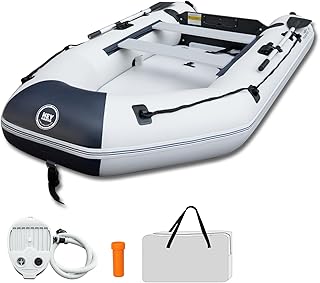 |
10ft Inflatable Dinghy Boat for Adult with Drop-Stitch Floor 3-4 Person Inflatable Raft with Oars & Carry Bag Heavy-Duty Motor Mount Ready for Fishing Diving Tender or Recreation USCG Approved |
$539.99 | (25) | Check Price on Amazon → |
| #2 |  |
Intex Excursion 5 Person Inflatable Boat, Water Fishing River Raft Set w/ Oars - Large 1,300 Lb Capacity Portable Blow-Up 5 Seater Raft for Adults |
$187.19 | (8,671) | Check Price on Amazon → |
| #3 |  |
Sea Eagle FastCat Catamaran 2-4 Person Inflatable Boat-Rigid, High-Pressure, All-Drop Stitch, Easy Setup, Self-Bailing |
$3,599.00 | (1) | Check Price on Amazon → |
| #4 | 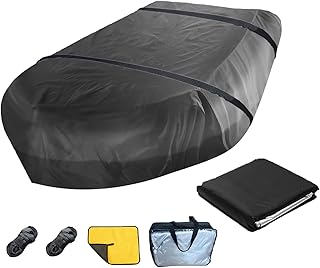 |
Dinghy Cover 6 Sizes Boat Covers Waterproof Anti-UV Paddle Boat Covers for Small Inflatable and Rigid Inflatable Boats, with 2 Reinforced Straps Black-8-9ft |
$45.00 | (9) | Check Price on Amazon → |