Best Fish Finder GPS Combos for Bass, Walleye, and Offshore Fishing (2026)

Salem Hassan founded Travelcamp RV and brings 30+ years of hands-on RV, marine, and powersports retail experience to every review.
✎ Reviewed by Salem Hassan — Founder, Travelcamp RV · 30+ years in RV, marine, and powersports retail
Why trust us
TopBoatGear articles are researched by the Searchshop Editorial team using manufacturer specs, marine industry sources, and feedback from hands-on boaters. Our standard is saltwater first — if a product is not rated or proven for marine environments, we say so. We may earn a commission on qualifying purchases; it does not change what we recommend. If a product fails in saltwater, the article changes.
How We Evaluated
We researched the top options, comparing them across key factors including performance, value, ease of use, and reliability. Our recommendations are based on editorial evaluation of verified specifications, owner-reported real-world performance, and domain expertise.
Best Fish Finder GPS Combos for Bass, Walleye, and Offshore Fishing
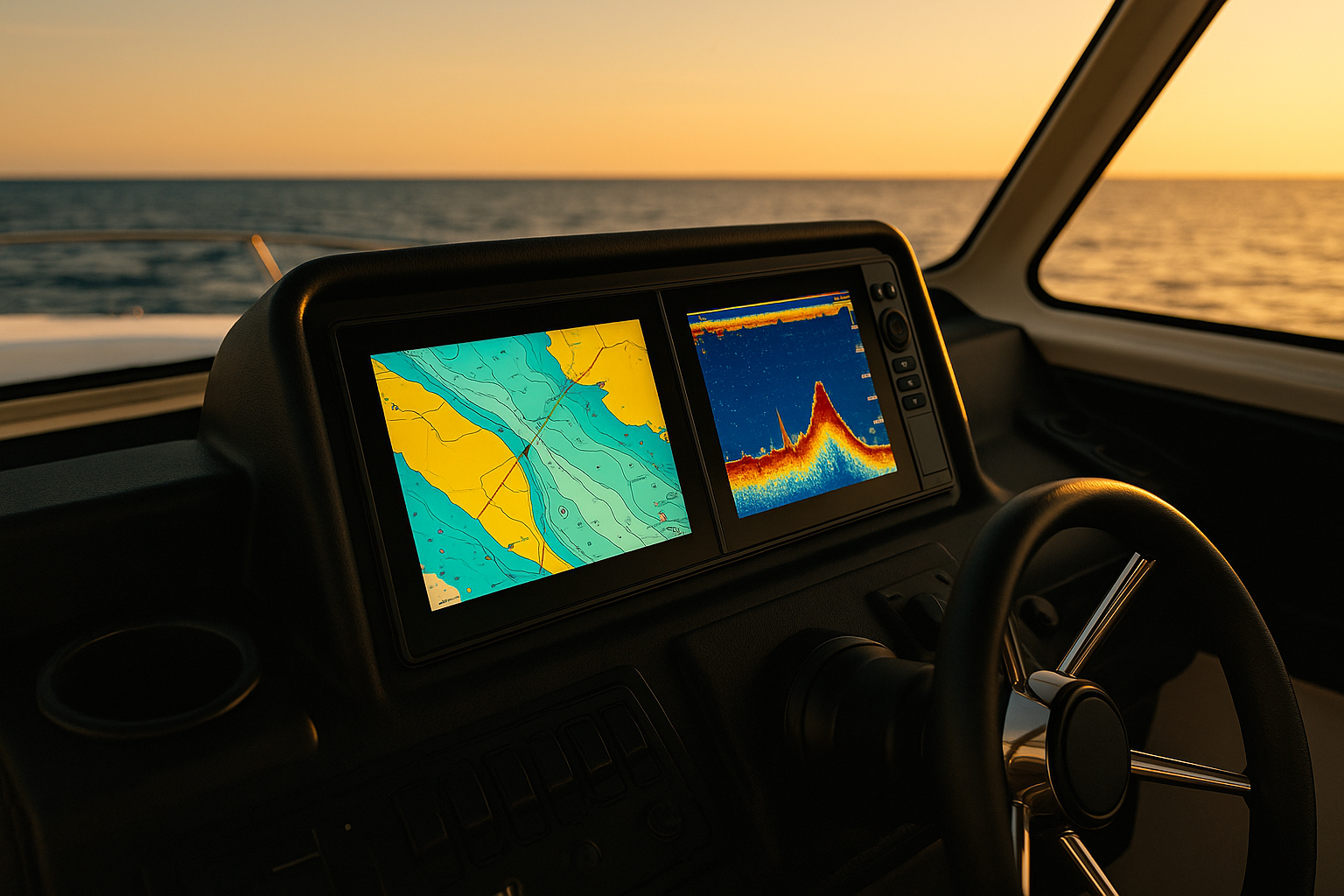
If you are shopping for the best fish finder gps combo, the right choice depends on where you fish, how you navigate, and how much detail you want on the screen. We researched the leading options for freshwater bass boats, multi-species walleye rigs, and offshore center consoles to find the units that offer the best mix of sonar clarity, mapping, usability, and value. In this guide, we break down the top models, explain the features that matter most, and show how to choose a combo that fits your boat and fishing style.
All Picks & Comparison

| # | Product | Best For | Price | Rating | ||
|---|---|---|---|---|---|---|
| #1 |  |
Humminbird 411660-1 Helix 5 Chirp GPS G3 Fish Finder Humminbird |
— | $309.99 | (448) | Check Price on Amazon → |
| #2 |  |
Humminbird Helix 7 G4 GPS Fish Finder with Transducer, MEGA Side Imaging |
— | $649.99 | (71) | Check Price on Amazon → |
| #3 |  |
Lowrance HDS PRO Fishfinder/Chartplotter with Smartphone Integration and Preloaded C-MAP U.S. & Canada Charts |
— | $1,899.00 | (43) | Check Price on Amazon → |
| #4 |  |
Humminbird Helix 7 G4N GPS Fish Finder with Transducer & MEGA Side Imaging |
— | $830.94 | (23) | Check Price on Amazon → |
Comparison Table: Best Fish Finder GPS Combo Picks
| Product | Best For | Screen Sizes | Sonar Highlights | GPS/Mapping | Main Strength | Main Tradeoff |
|---|---|---|---|---|---|---|
| Garmin ECHOMAP UHD2 93sv | Best overall | 9 in | CHIRP, ClearVü, SideVü | Built-in mapping, strong waypoint tools | Excellent balance of sonar, maps, and ease of use | Premium price for casual anglers |
| Humminbird HELIX 9 CHIRP MEGA SI+ GPS G4N | Best for bass fishing | 9 in | MEGA Side Imaging+, MEGA Down Imaging+ | Lake mapping, network support | Outstanding imaging for finding structure and fish-holding cover | Interface has a learning curve |
| Lowrance HDS PRO 9 | Best for advanced anglers | 9 in | Active Imaging HD, premium sonar support | Strong charting and networking | Powerful feature set and expansion options | Higher total system cost |
| Garmin GPSMAP 943xsv | Best for offshore fishing | 9 in | CHIRP, scanning sonar support | Coastal charting, networking, radar support | Excellent helm integration and navigation features | More capability than many inland anglers need |
| Humminbird HELIX 7 CHIRP GPS G4 | Best value | 7 in | CHIRP sonar, GPS mapping | Solid lake mapping options | Good feature set at a more accessible price | Smaller screen limits split-screen use |
| Lowrance Elite FS 9 | Best mid-range option | 9 in | Active Imaging, CHIRP | C-MAP support, waypoint management | Strong value with modern features | Not as refined as flagship units |
Key Takeaways

- The best overall choice for most anglers is a mid-to-premium combo with CHIRP sonar, side imaging, down imaging, and detailed mapping.
- Bass anglers often benefit most from side imaging, waypoint speed, and easy trolling motor integration.
- Walleye anglers should prioritize mapping quality, contour detail, and clear 2D sonar for structure and bait tracking.
- Offshore anglers need larger displays, stronger charting options, radar/network compatibility, and reliable GPS tracking.
- Screen size, transducer quality, and mapping support usually matter more than chasing the longest feature list.
How We Chose
We researched fish finder GPS combo units based on sonar performance, chart quality, screen readability, menu design, networking, update support, and overall value. We also looked at how each model fits real-world use cases: shallow bass lakes, contour-heavy walleye water, and offshore navigation where chart detail and expansion options matter more.
Best Fish Finder GPS Combo Reviews
1. Garmin ECHOMAP UHD2 93sv
Why we recommend it
The Garmin ECHOMAP UHD2 93sv is our best overall pick because it hits the sweet spot for a wide range of anglers. It offers crisp sonar, intuitive controls, dependable GPS performance, and a user-friendly interface that does not feel overwhelming.
For bass and walleye anglers, the side and down scanning views help reveal weed edges, rock transitions, brush piles, and bait schools. For coastal anglers, the mapping and route management tools are strong enough for nearshore and many offshore applications, especially on smaller boats.
Best for
- Anglers who want one unit that can handle bass, walleye, and light offshore use
- Boat owners upgrading from an older 5- or 7-inch display
- Users who want a clean interface with strong sonar detail
Pros
- Excellent all-around sonar clarity
- Easy-to-learn menu system
- Good split-screen usability on a 9-inch display
- Strong waypoint marking and navigation tools
- Broad appeal for freshwater and saltwater anglers
Cons
- Not the cheapest option in its class
- Serious offshore users may want a larger GPSMAP-style unit
- Full capability depends on the right transducer package
2. Humminbird HELIX 9 CHIRP MEGA SI+ GPS G4N
Why we recommend it
If your main goal is breaking down structure and finding fish-holding cover, the HELIX 9 MEGA SI+ is a standout. Bass anglers especially appreciate the side imaging range and detail when scanning points, docks, brush, creek channels, and offshore ledges.
Walleye anglers also benefit from the contour mapping and imaging performance when tracking breaks, humps, and transition lines. The networking options make it especially appealing for anglers building a more integrated electronics setup.
Best for
- Bass anglers who rely heavily on side imaging
- Walleye anglers searching for contour-based structure
- Boaters who want to network multiple units
Pros
- Excellent side imaging detail
- Strong mapping ecosystem for inland lakes
- Good screen size for split views
- Useful networking and accessory support
- Great fit for serious structure fishing
Cons
- Interface can take time to master
- Premium features raise the price quickly
- Large feature set may be more than casual anglers need
3. Lowrance HDS PRO 9
Why we recommend it
The HDS PRO 9 is aimed at anglers who want a more advanced system with room to grow. It supports premium sonar options, strong charting, and broad networking for larger or more sophisticated setups. If you fish tournaments, run multiple screens, or want a unit that can anchor a high-end electronics package, this model deserves a close look.
It is especially attractive for bass anglers who want fast response, clean chart overlays, and expandability. It also works well for Great Lakes and larger reservoir anglers who need robust navigation and structure-finding tools.
Best for
- Advanced anglers building a premium electronics system
- Tournament bass boats
- Multi-display setups with networked accessories
Pros
- Powerful feature set and expandability
- Strong charting and route management
- Good screen clarity and responsiveness
- Excellent option for integrated systems
- High ceiling for serious anglers
Cons
- Expensive once fully equipped
- More setup complexity than entry-level units
- Best value comes when you use its advanced features
4. Garmin GPSMAP 943xsv
Why we recommend it
For offshore and coastal anglers, the Garmin GPSMAP 943xsv is one of the best fish finder GPS combo choices because it goes beyond basic sonar and mapping. It is built for more serious helm integration, with support for networking, radar, autopilot, and broader marine electronics ecosystems.
The sonar performance is strong, but what really stands out is the navigation side. If you routinely run long distances, follow complex routes, or fish in changing offshore conditions, this class of unit offers meaningful advantages.
Best for
- Offshore and coastal fishing boats
- Anglers who prioritize navigation and marine integration
- Users planning to add radar or other helm electronics
Pros
- Excellent navigation and charting tools
- Strong networking capability
- Good fit for offshore safety and route planning
- Premium Garmin interface
- Versatile for mixed sonar and helm use
Cons
- Higher price than many inland-focused units
- More advanced than many bass and walleye anglers require
- Best performance often involves extra accessories
5. Humminbird HELIX 7 CHIRP GPS G4
Why we recommend it
The HELIX 7 CHIRP GPS G4 is a smart choice for anglers who want dependable sonar and GPS without jumping straight to premium pricing. It is especially appealing for smaller boats, tiller rigs, jon boats, and budget-conscious anglers upgrading from basic electronics.
While the 7-inch screen is less comfortable for heavy split-screen use, it still offers a practical blend of mapping and sonar for inland fishing.
Best for
- Value-focused freshwater anglers
- Smaller boats and simpler helm layouts
- Anglers who want GPS and sonar without overspending
Pros
- More affordable than 9-inch premium models
- Reliable sonar and GPS basics
- Good option for inland lakes and rivers
- Easier fit on compact consoles
- Strong upgrade from entry-level units
Cons
- Smaller display limits multitasking views
- Less ideal for offshore use
- Fewer premium imaging advantages than top-tier models
6. Lowrance Elite FS 9
Why we recommend it
The Lowrance Elite FS 9 offers a very appealing middle ground. It gives anglers many of the features they want most, including good sonar performance, useful charting, and a 9-inch screen, without pushing all the way into flagship pricing.
For bass and walleye anglers who want a modern combo with room for growth, it is one of the better values in the category.
Best for
- Mid-range buyers who want a 9-inch screen
- Bass and walleye anglers seeking strong value
- Users who want modern features without top-tier pricing
Pros
- Good balance of price and performance
- Nice screen size for split-screen sonar and mapping
- Solid waypoint and charting tools
- Better long-term value than many entry-level units
- Good fit for inland multi-species boats
Cons
- Not as premium as HDS or GPSMAP lines
- Some advanced features require add-ons
- User experience can vary by transducer and map package
How to Choose the Best Fish Finder GPS Combo
Screen Size Matters More Than Most Buyers Expect
A larger display makes a major difference when you run sonar, side imaging, and charts at the same time. For most anglers, 9 inches is the practical sweet spot. A 7-inch unit can work well on smaller boats or tighter budgets, but it feels more limiting once you start using split-screen views regularly.
Our recommendation
- 7-inch: Best for compact boats and budget setups
- 9-inch: Best overall for most anglers
- 10 inches and up: Best for offshore use, advanced networking, and heavy split-screen use
Sonar Types to Understand
Not every fish finder GPS combo includes the same sonar tools. The right mix depends on how you fish.
2D CHIRP sonar
Best for traditional fish arches, depth tracking, and general bottom reading. Walleye anglers often still rely heavily on it.
Down imaging
Helps separate fish from structure directly under the boat. Useful for brush, timber, and vertical presentations.
Side imaging
One of the most important tools for bass fishing and structure hunting. It helps scan large areas quickly to locate points, rock piles, grass lines, stumps, and bait.
Mapping and GPS Features
A fish finder becomes much more useful when the GPS and charting side is strong. We recommend looking for:
- Detailed contour maps
- Fast waypoint marking
- Route creation and trackback features
- Expandable mapping cards or chart subscriptions
- Clear shading and depth highlight tools
For walleye anglers, contour precision can be just as important as sonar quality. For offshore anglers, coastal chart detail and route planning become critical.
Networking and Expandability
If you may add a second display, trolling motor integration, radar, or live sonar later, buy with expansion in mind now. A slightly more expensive unit can be the better long-term value if it prevents an early replacement.
Best Picks by Fishing Style
Best for Bass Fishing
For bass anglers, we recommend prioritizing side imaging, screen clarity, and quick waypoint control. The Humminbird HELIX 9 MEGA SI+ and Lowrance HDS PRO 9 stand out here, especially for anglers who spend time breaking down offshore structure, docks, and grass edges.
What matters most for bass
- Side imaging detail
- Fast map redraw and waypoint entry
- Trolling motor and accessory compatibility
- Split-screen usability
Best for Walleye Fishing
Walleye anglers often need a combination of contour mapping, clean 2D sonar, and the ability to track subtle breaks and roaming bait. The Garmin ECHOMAP UHD2 93sv and Lowrance Elite FS 9 are strong fits, especially for anglers fishing reservoirs, natural lakes, and big inland systems.
What matters most for walleye
- Detailed contour maps
- Reliable 2D sonar and down imaging
- Easy route and waypoint management
- Good visibility in changing light conditions
Best for Offshore Fishing
Offshore anglers should focus on navigation first, then sonar. The Garmin GPSMAP 943xsv is our top recommendation in this category because of its charting, networking, and helm integration strengths.
What matters most offshore
- Larger, brighter display
- Coastal charts and route planning
- Networking for radar and other marine electronics
- Dependable GPS performance in changing conditions
How to Install and Set Up a Fish Finder GPS Combo
A good unit only performs well if it is installed correctly. Here is a simple setup process.
1. Choose the mounting location
Mount the display where it is easy to read from the helm without blocking gauges or safe visibility.
Safety note: Never place the unit where it interferes with steering, throttle access, or your line of sight while underway.
2. Install the transducer properly
Follow the manufacturer’s instructions for transom, trolling motor, or through-hull mounting. Make sure the transducer sits level and has clean water flow.
Safety note: Disconnect battery power before wiring, and avoid drilling into unknown areas where fuel lines, wiring, or hull components may be located.
3. Connect clean power
Use the recommended wire gauge and fuse size. Direct-to-battery power often helps reduce electrical interference.
Safety note: Protect all wiring from abrasion, moisture, and sharp edges. Loose marine wiring can create equipment failure or fire risk.
4. Update software and maps
Before your first trip, install the latest software and chart updates. This can improve sonar performance, stability, and compatibility.
Safety note: Complete updates at the dock or at home, not while underway.
5. Dial in sonar settings on the water
Start with auto settings, then adjust sensitivity, contrast, range, and chart speed based on water depth and clarity.
Safety note: Make adjustments only when the boat is stationary or when another operator is safely handling the boat.
6. Save key waypoints and verify GPS accuracy
Mark your ramp, hazards, productive structure, and safe routes. Confirm your heading and position data are tracking correctly.
Safety note: Electronics support navigation, but they do not replace visual awareness, local knowledge, or safe boating judgment.
Common Buying Mistakes to Avoid
Buying too small a screen
Many anglers regret saving money on a small display once they start using split screens.
Ignoring the transducer package
A great head unit cannot make up for the wrong or lower-capability transducer.
Overlooking mapping costs
Some brands require map cards or subscriptions for the best chart detail. Factor that into the total budget.
Paying for features you will never use
Offshore networking features may not matter on a small inland boat. Buy for your actual fishing style.
FAQ
Get your free Get Our Free Boat Gear Checklist
The essential marine gear list every boater should have before hitting the water.
What is the best fish finder gps combo for most anglers?
For most freshwater and mixed-use anglers, we recommend the Garmin ECHOMAP UHD2 93sv because it offers an excellent balance of sonar quality, mapping, ease of use, and screen size.
Is side imaging worth it for bass fishing?
Yes. Side imaging is one of the most valuable tools for bass anglers because it helps scan water quickly and locate structure, cover, and bait without driving directly over the area.
What screen size should we choose?
We recommend a 9-inch display for most buyers. It provides enough room for sonar and chart split screens without becoming too large for typical bass boats and multi-species rigs.
Do offshore anglers need a different type of combo unit?
Usually, yes. Offshore anglers often benefit from larger displays, stronger charting, and support for radar, autopilot, and wider networking. That is why a unit like the Garmin GPSMAP 943xsv stands out.
Can a budget fish finder GPS combo still be good?
Absolutely. A value-focused model can be a great choice if it offers dependable CHIRP sonar, useful mapping, and a screen size that fits your boat and fishing style.
Final Verdict
The best fish finder gps combo is the one that matches your water, boat, and fishing style. If you want the best all-around choice, we recommend the Garmin ECHOMAP UHD2 93sv. If you are focused on structure-heavy bass fishing, the Humminbird HELIX 9 MEGA SI+ is a top contender. For offshore use, the Garmin GPSMAP 943xsv is our preferred pick thanks to its charting and system integration.
When in doubt, we suggest prioritizing screen size, sonar type, and mapping quality first. Those three factors will do more to improve your time on the water than a long list of features you may never use.